Inventive And Unique Christmas Truffle Flavors
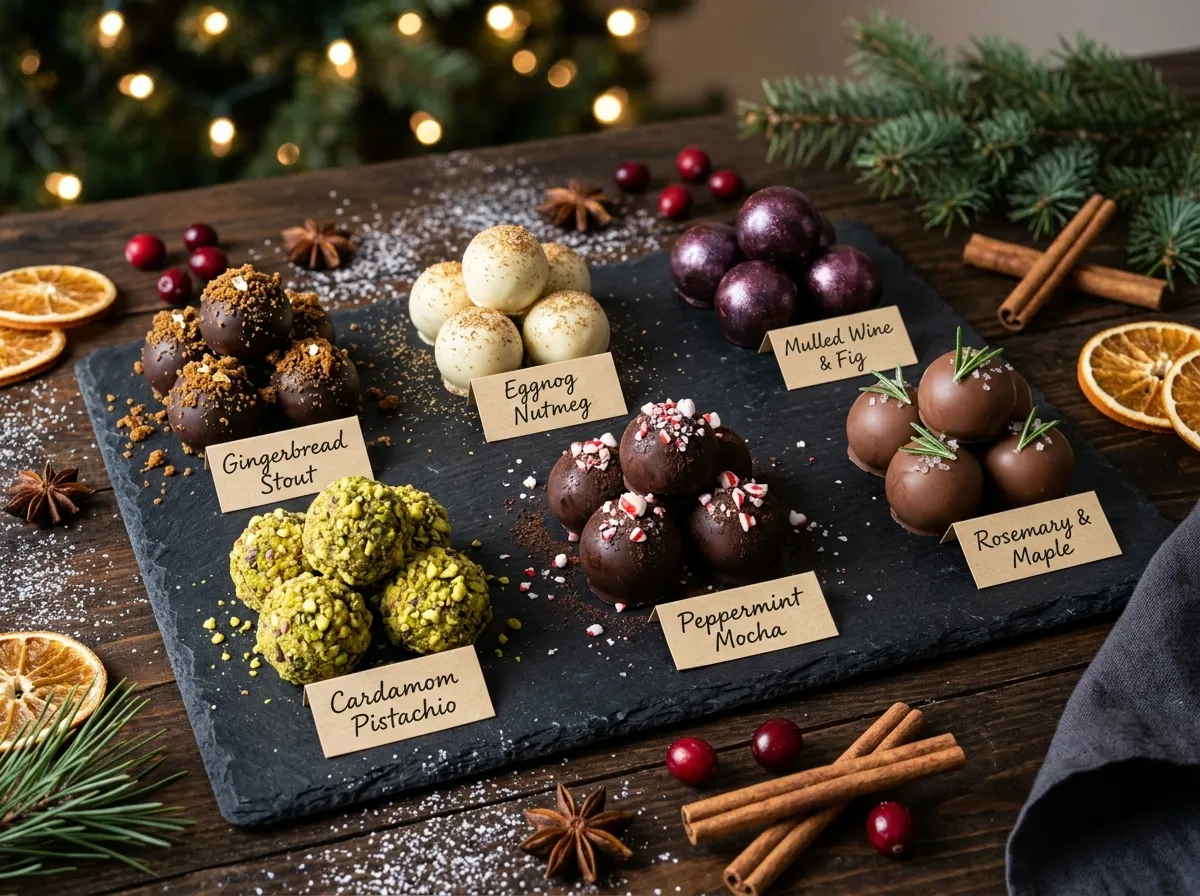
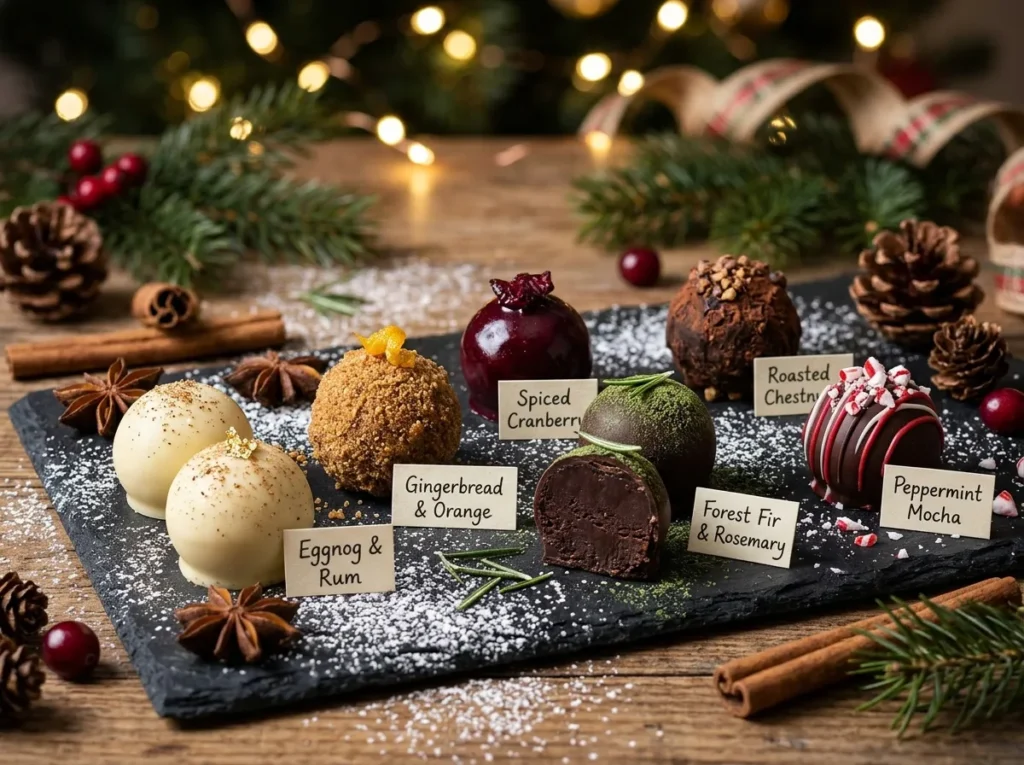
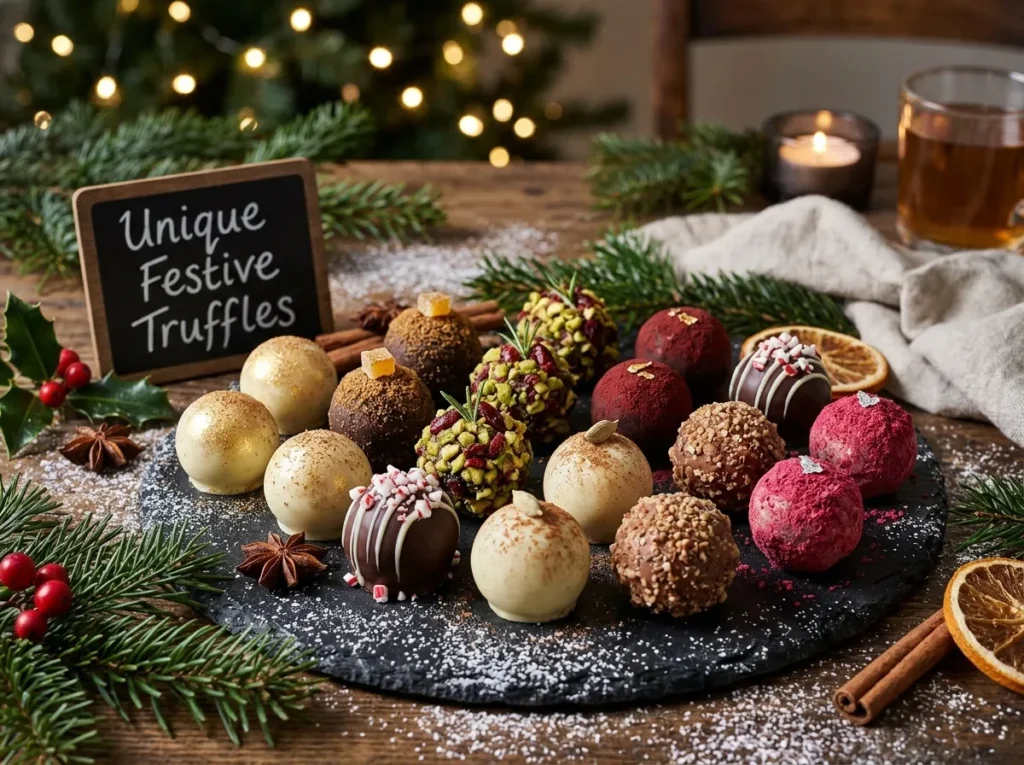
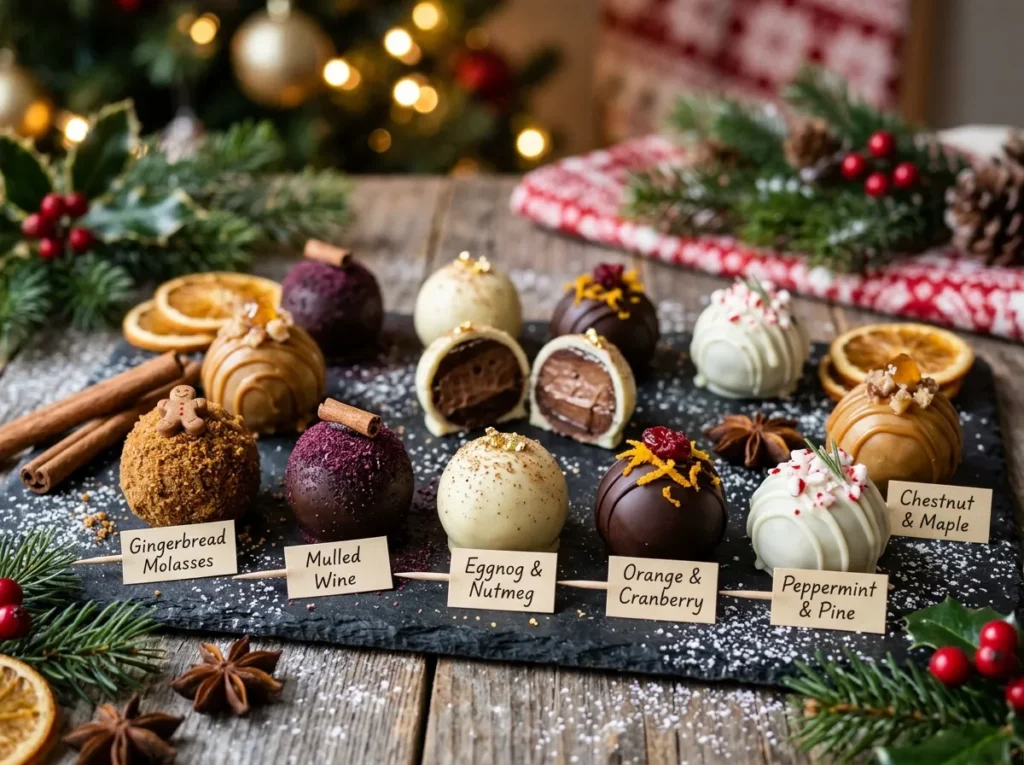
Exploring inventive and unique Christmas truffle flavors allows you to move beyond standard peppermint or plain ganache, turning a simple holiday treat into a memorable culinary experience. By balancing traditional seasonal spices with unexpected botanical or savory notes, you can create confections that stand out at any festive gathering.
Whether you are aiming for sophisticated pairings like rosemary and sea salt or playful combinations such as gingerbread and espresso, the secret lies in high-quality cocoa and precise temperature control. This exploration of creative blending offers you the tools to craft professional-grade sweets that elevate your holiday gifting and dessert tables to an entirely new level of artisanal excellence.
Mastering the Foundation of Exceptional Ganache
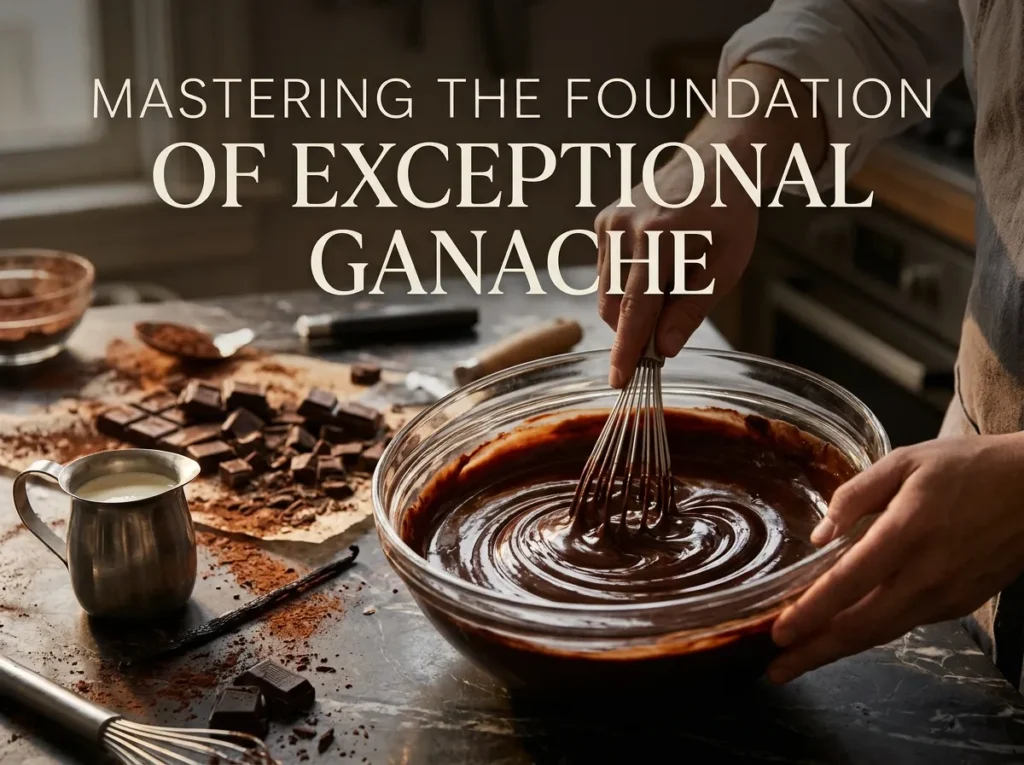
To succeed with any flavor profile, you must first perfect the basic ganache. This mixture of chocolate and warm cream forms the heart of your truffle, and its texture dictates how well your additions will shine.
For a deep, intense flavor, use high-quality dark chocolate with at least 60% cocoa content. If you prefer something sweeter, milk chocolate works well, but you may need to reduce the amount of heavy cream to ensure the final ball sets firmly enough for dipping.
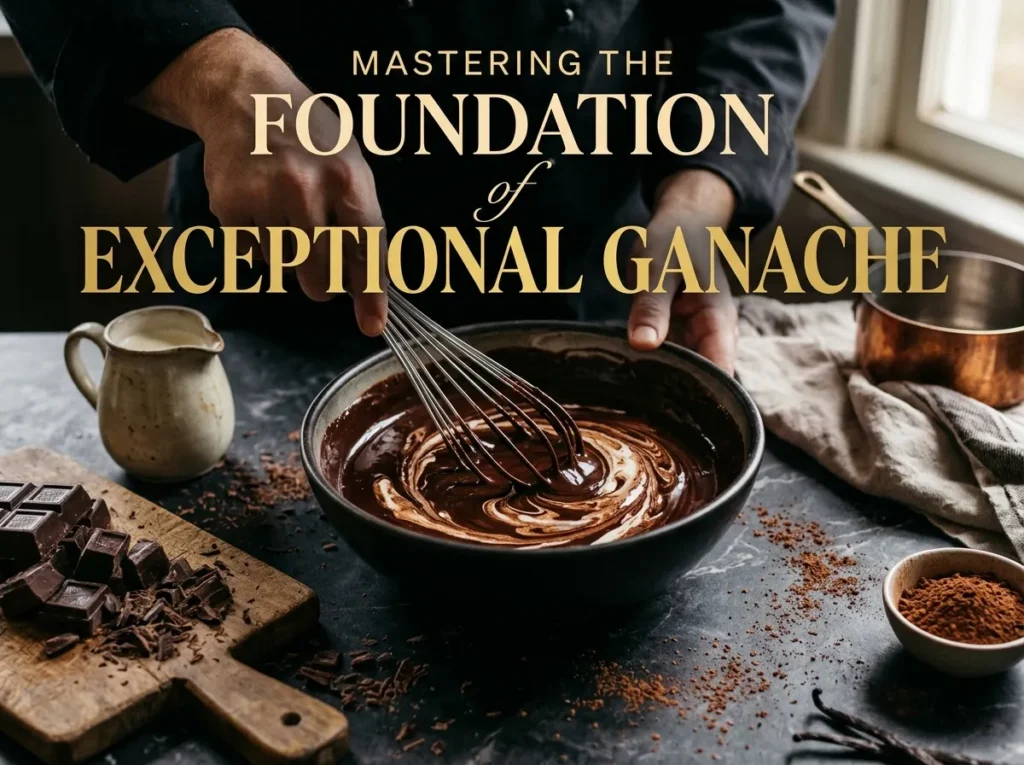
The most common mistake beginners make is overheating the cream. If your cream reaches a rolling boil, it can cause the cocoa butter to separate, leading to a grainy or greasy texture that ruins the mouthfeel. Instead, heat your cream until it just begins to simmer, then pour it over your finely chopped chocolate.
Let it sit undisturbed for two minutes before gently whisking from the center outward. This patient approach ensures a smooth, silky emulsion that serves as the perfect canvas for your more adventurous experiments.
Infusing Festive Spices and Botanical Notes
Once your ganache base is stable, the real fun begins with infusion. The holiday season is synonymous with warming spices, but you can modernize these by pairing them with unexpected elements.
For example, instead of a standard cinnamon truffle, try infusing your cream with star anise and a whisper of black pepper. The sharp, licorice-like notes of the anise provide a complex counterpoint to the bitterness of dark chocolate, creating a sophisticated profile that lingers on the palate.
Another inventive direction involves using fresh herbs. Rosemary and orange zest create a vibrant, aromatic combination that feels distinctly festive without being cloying.
To achieve this, steep the fresh herbs in your warm cream for ten minutes before straining them out and incorporating the flavored liquid into your chocolate. Be careful not to steep for too long, as this can introduce a bitter, chlorophyll-heavy taste that overwhelms the delicate sweetness of the white chocolate or milk chocolate base.
Incorporating Texture and Unexpected Crunch
A great truffle is defined by more than just its flavor; the interplay of textures is what makes a bite truly satisfying. While many recipes focus solely on the creamy interior, adding a contrasting crunch provides a professional touch.
You might consider folding in finely crushed candied ginger, toasted hazelnuts, or even tiny shards of dehydrated cranberry. These additions should be added to the ganache once it has cooled to a thick, pipeable consistency, ensuring they remain suspended throughout the mixture rather than sinking to the bottom.
When choosing your inclusions, think about how they interact with the coating. If you are using a smooth dark chocolate shell, a crunchy interior creates a delightful surprise.
Avoid using ingredients with high water content, such as fresh fruit or unreduced fruit purees, as these will introduce moisture that can spoil your ganache and cause it to ferment over time. Always opt for dried, candied, or roasted elements to maintain the shelf life and structural integrity of your festive treats.
Exploring Sophisticated Savory Pairings
If you want to impress guests with something truly avant-garde, look toward savory pairings. Salt is the most obvious starting point, but you can push this further by incorporating ingredients like smoked sea salt, miso, or even a touch of high-quality olive oil.
A dark chocolate ganache infused with a small amount of white miso paste offers a deep, umami richness that makes the cocoa taste even more like itself. It is a subtle, grounded flavor that feels perfectly suited for a winter evening.
Another bold choice is the use of toasted sesame or even a hint of balsamic vinegar. When working with balsamic, reduce it in a small saucepan until it reaches a syrupy consistency before whisking it into your ganache.
This concentrates the acidity and sweetness, cutting through the richness of the fat and providing a bright, tangy finish. These unique flavors may sound unusual, but when applied with restraint, they create a memorable depth that defines the most inventive and unique Christmas truffle flavors.
Refining the Art of Dipping and Decoration
The exterior of your truffle is the first thing a guest sees, so the finish must be as considered as the filling. Tempering your chocolate is the gold standard for achieving a professional, snap-worthy finish, but if you are looking for an easier route, you can use high-quality compound coatings or ganache-based coatings that don’t require strict temperature management. For a festive look, consider dusting your finished truffles with edible gold luster dust, crushed peppermint, or even a light sprinkle of flaky sea salt.
Avoid the temptation to over-decorate. A single, elegant element—like a small candied violet or a precise drizzle of contrasting white chocolate—is often more effective than a chaotic mix of sprinkles. If you are working with white chocolate, remember that it is much more sensitive to heat than dark chocolate.
Always keep your workspace cool and ensure that your hands are dry, as even a tiny drop of moisture can cause your chocolate to seize and turn into an unusable, lumpy paste. You can learn more about food science principles to better understand how fats and sugars behave during the tempering process.
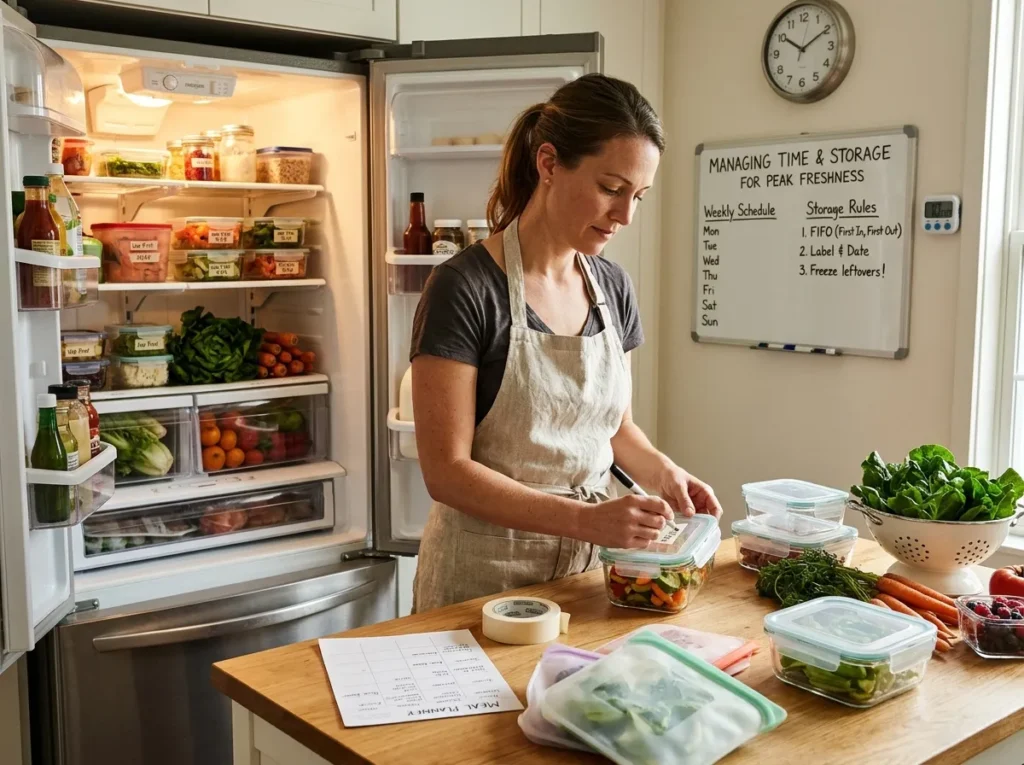
Managing Time and Storage for Peak Freshness
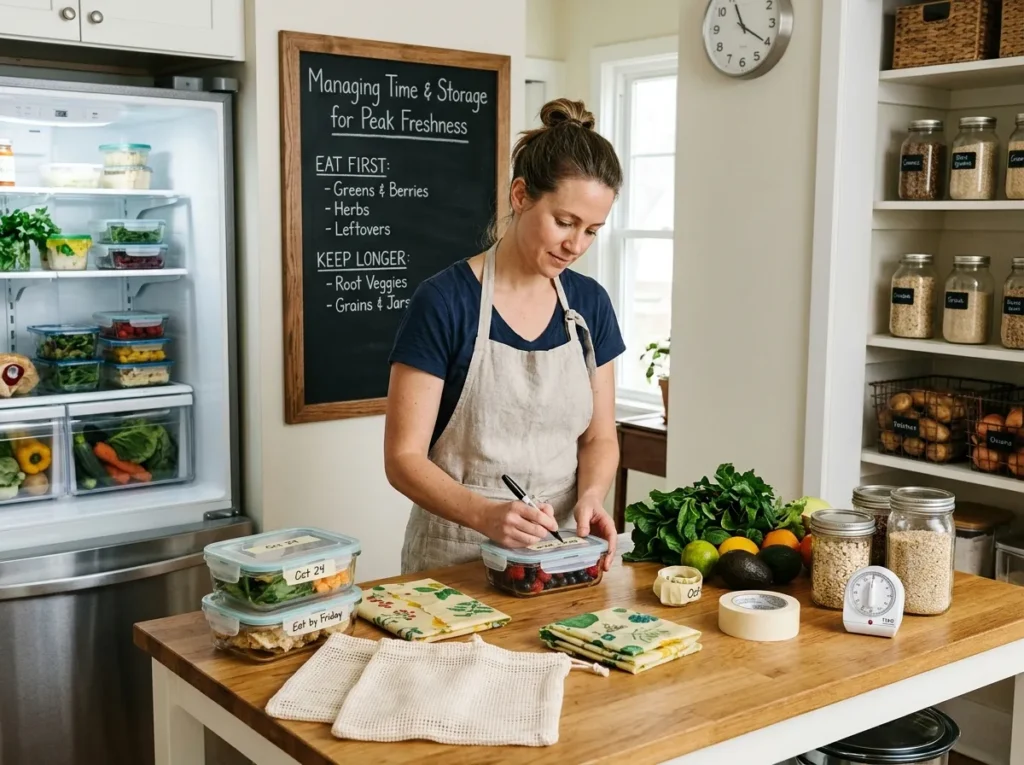
Truffles are a labor of love, and managing your time effectively is crucial to ensuring they are at their best when you serve them. Because these are fresh, water-based emulsions, they are best consumed within two weeks.
You can prepare your ganache base several days in advance and store it in the refrigerator, but it must be brought to room temperature before you attempt to roll it into balls. Trying to roll cold ganache will result in cracks and an uneven finish.
When storing your finished confections, keep them in an airtight container in a cool, dark place. Avoid the refrigerator if possible, as the humidity can cause the chocolate to bloom, resulting in unsightly white streaks on the surface.
If you must refrigerate them, ensure they are wrapped tightly and allow them to come to room temperature slowly before serving. This prevents condensation from forming on the surface, which is the quickest way to ruin the professional appearance you have worked so hard to achieve.
Frequently Asked Questions
How do I prevent my ganache from splitting during mixing?
Splitting usually occurs when the cream is too hot or the chocolate is added too quickly. Ensure your cream is just simmering, not boiling, and pour it over the chocolate in three stages, whisking gently until the emulsion is glossy and fully combined before adding more liquid.
Can I use butter to make my truffles creamier?
Yes, adding a small amount of unsalted, high-quality butter to your ganache after it has slightly cooled can add a luxurious, velvety mouthfeel and a beautiful shine. Incorporate it slowly to ensure it emulsifies properly into the mixture without separating.
Why is my chocolate coating dull instead of shiny?
A dull finish is usually a sign that your chocolate was not tempered correctly or that it was held at the wrong temperature for too long. Proper tempering involves bringing the chocolate to a specific temperature range to encourage the formation of stable cocoa butter crystals, which provide that signature shine.
How do I handle white chocolate when coloring it?
White chocolate is notoriously difficult to color because it is oil-based. Always use oil-based or powder food coloring; water-based or gel colors will cause the chocolate to seize instantly, turning it into a grainy, unworkable mess.
What is the best way to roll truffles without them melting?
If your kitchen is warm, your hands will naturally melt the chocolate as you roll. Work in small batches, keep your hands cool by running them under cold water and drying them thoroughly, or use a small melon baller to portion the ganache before rolling it quickly between your palms.
Crafting Memorable Holiday Confections
Creating your own selection of treats is a rewarding way to bring a personal touch to the holiday season. By focusing on high-quality ingredients and experimenting with bold, sophisticated pairings, you can develop a signature style that delights friends and family. Remember that the process is just as important as the final product; take your time with the ganache, respect the temperature of your chocolate, and do not be afraid to iterate until you find the perfect balance.
Whether you are gifting these to neighbors or serving them at a party, the effort you put into developing inventive and unique Christmas truffle flavors will be evident in every bite. Start with a small batch, refine your technique, and enjoy the creative journey of holiday confectionery.