Classic Vintage Christmas Recipes Like Nana Made
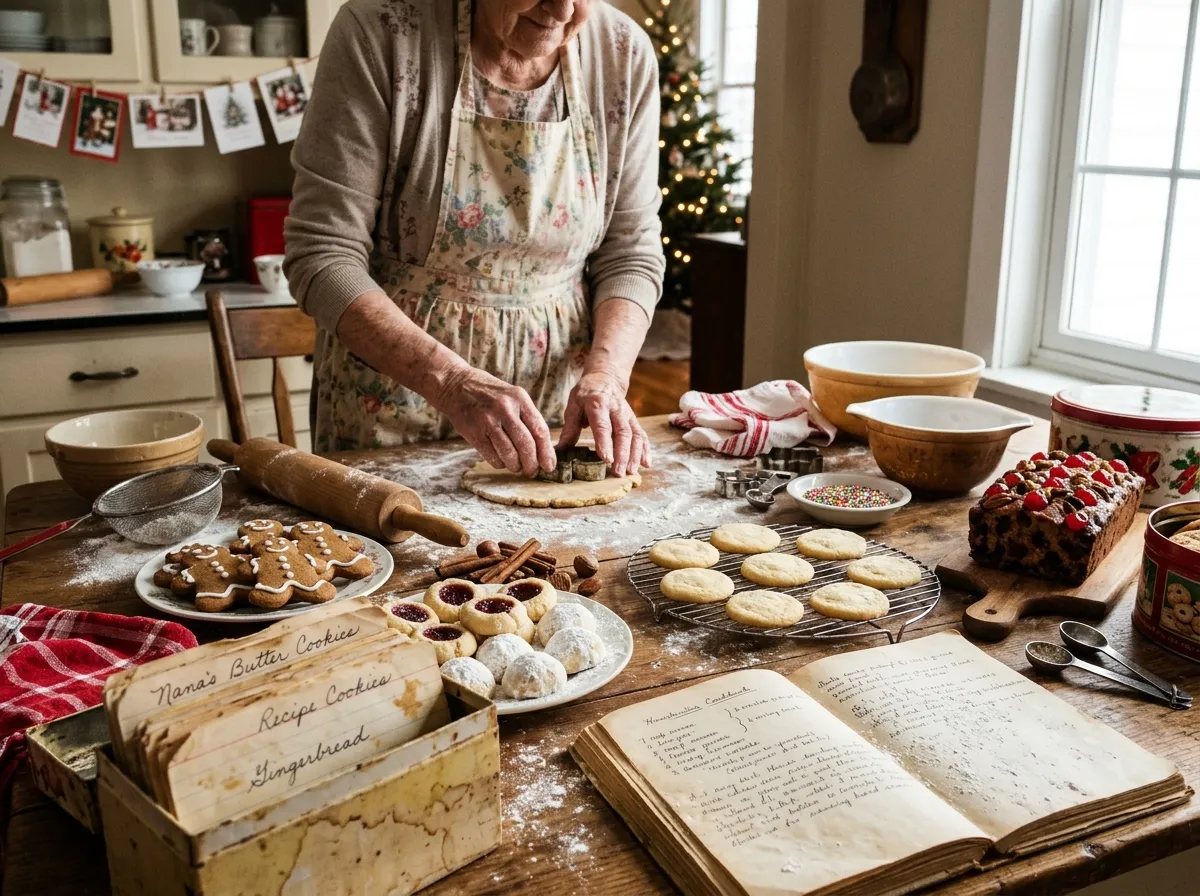
Recreating classic vintage Christmas recipes like Nana made is more than just cooking; it is a way to preserve the warmth of past holidays. These dishes rely on simple, wholesome ingredients and techniques passed down through generations, offering a nostalgic flavor profile that modern convenience foods often lack.
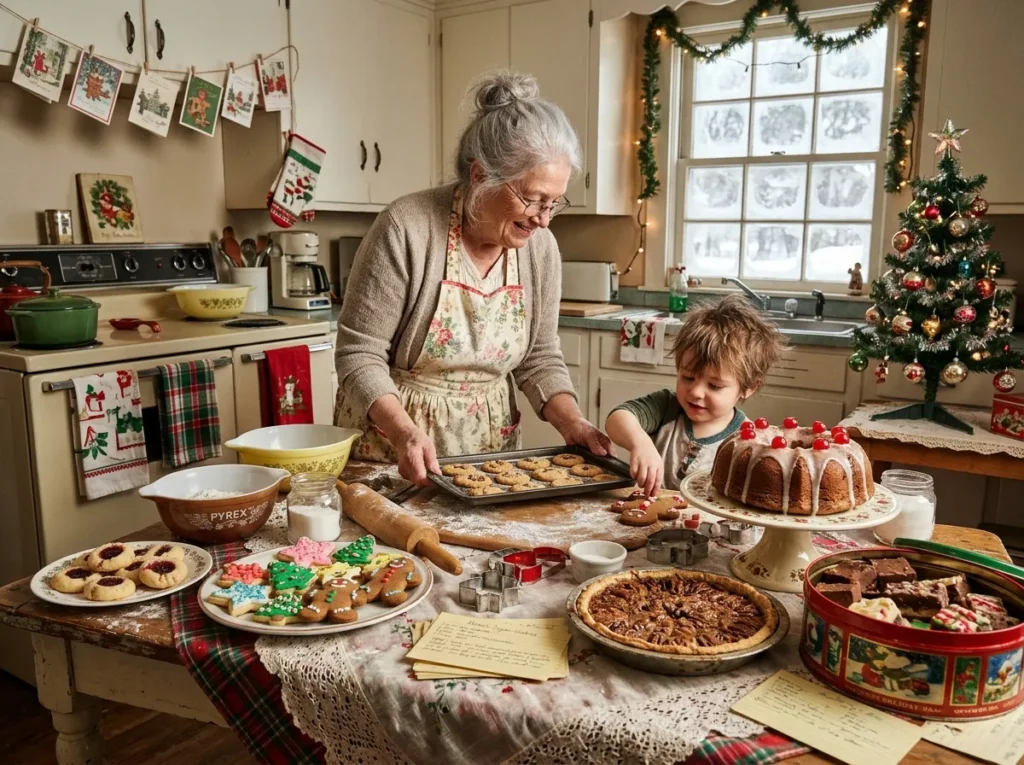
By mastering these time-honored methods, you ensure that the essence of family tradition remains at the heart of your festive celebrations. Whether you are aiming to replicate a specific childhood memory or simply want to introduce your own children to the flavors of yesteryear, focusing on these authentic culinary staples will provide a grounding, meaningful experience for everyone at your table.
Mastering the Art of the Classic Fruitcake
The fruitcake is perhaps the most misunderstood yet essential of all vintage holiday staples. Unlike the dense, store-bought bricks often mocked in pop culture, a well-made vintage fruitcake is a moist, aromatic masterpiece. The secret lies in the quality of the candied fruit and the patience required for aging.
Nana’s version usually involved soaking the dried fruits—cherries, golden raisins, and pineapple—in a high-quality brandy or rum for several days before mixing them into the batter. This process plumps the fruit and infuses the cake with a deep, complex warmth that develops further as the cake sits.
When preparing your own, avoid the common mistake of rushing the bake. A fruitcake must be baked at a low temperature to ensure the sugars in the fruit don’t burn before the center is set. Once cooled, wrap the cake tightly in cheesecloth soaked in spirits and store it in a cool, dark place.
Feeding the cake with a little extra liquor every week for a month is a classic tradition that keeps the crumb moist. Use high-quality nuts, like pecans or walnuts, to add a necessary crunch that balances the chewiness of the candied fruit. The result is a dense, flavorful centerpiece that truly defines the holiday season.
Perfecting the Retro Cranberry Gelatin Salad
No vintage Christmas table was complete without a vibrant, molded salad. While modern palates might find these dishes unusual, they were the height of sophistication in mid-century kitchens. These salads, often featuring cranberries, citrus, and sometimes even celery or nuts, provided a tart, refreshing palate cleanser that cut through the richness of a heavy roast dinner.
The process involves dissolving gelatin, folding in fresh or canned fruit, and allowing it to set in a decorative mold. The visual impact of a perfectly unmolded, glistening red salad is an iconic piece of vintage holiday styling.
The trick to a successful gelatin salad is the temperature control. If you add the fruit while the gelatin is too warm, it will sink to the bottom; if you wait too long, it will become lumpy. Aim for a consistency similar to egg whites before folding in your ingredients.
A common error is trying to unmold the gelatin too quickly. To release it perfectly, dip the bottom of the mold into a bowl of warm water for just a few seconds—no more than ten—before flipping it onto your serving platter. This technique ensures a smooth, professional finish that will impress your guests and honor the traditions of your grandmother’s kitchen.
Baking Traditional Butter Spritz Cookies
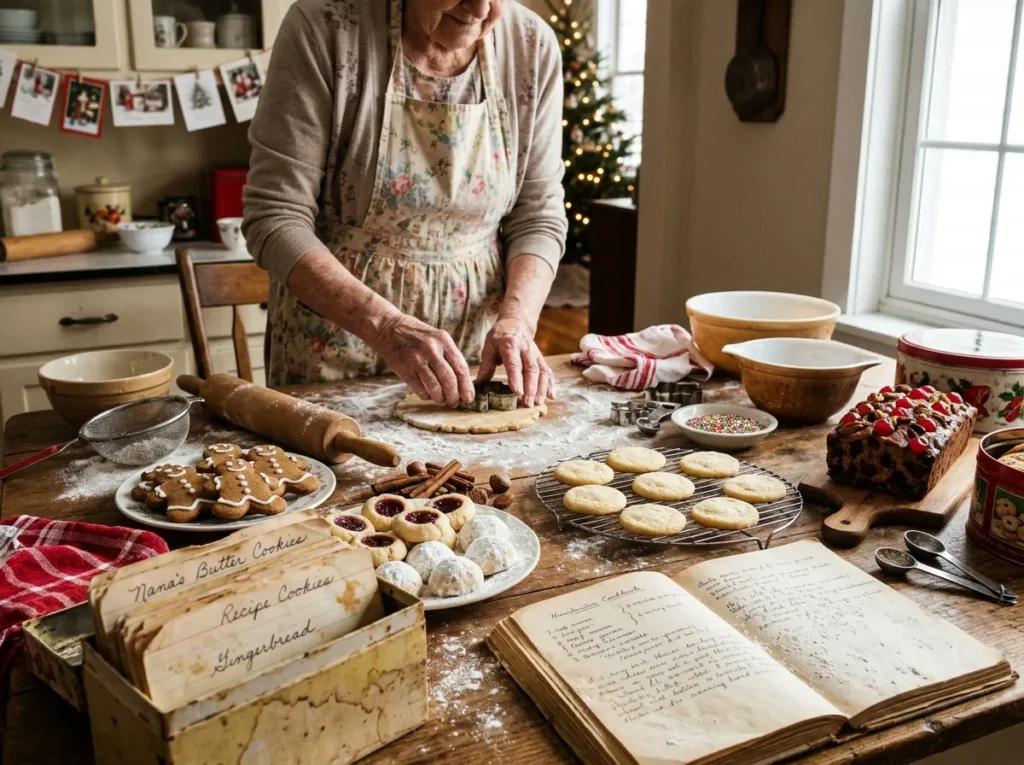
Spritz cookies are the backbone of a classic cookie tin. These buttery, melt-in-your-mouth treats are defined by their intricate shapes, created using a vintage metal cookie press. The dough is relatively simple, requiring high-quality butter, sugar, and just enough flour to hold its shape.
The beauty of these cookies lies in their versatility; you can flavor them with almond extract for a traditional taste or add a hint of lemon for brightness. They are the quintessential holiday cookie because they are easy to mass-produce for gift-giving while looking like a labor-intensive project.
When working with a cookie press, keep your dough at the right temperature. If the butter is too soft, the cookies will lose their definition in the oven; if it is too cold, the dough won’t extrude through the decorative plates. A common mistake is greasing the baking sheet too heavily.
You want the dough to stick to the pan just enough to release from the press, so use a clean, ungreased surface for the best results. For those interested in the history of baking, the evolution of holiday baking traditions provides fascinating context on how these simple cookies became such a staple in homes across the country.
Creating Savory Creamed Onions
Creamed onions are a polarizing side dish that remains a mandatory component of many vintage Christmas menus. This dish involves boiling small pearl onions until tender and then smothering them in a rich, velvety white béchamel sauce.
The sweetness of the onions, when paired with the savory, nutmeg-spiced cream sauce, creates a sophisticated flavor profile that stands out against salty meats like ham or turkey. Preparing this dish requires a bit of patience during the peeling process, but the final result is a testament to the care put into home cooking during the mid-twentieth century.
To achieve the perfect texture, ensure your béchamel is smooth and thick enough to coat the back of a spoon. A common mistake is using onions that are too large; pearl onions are the standard because they cook evenly and look elegant on the plate. Some variations include a breadcrumb topping or a sprinkle of fresh herbs like rosemary for added texture and aroma.
While modern side dishes often rely on quick roasts, the slow, deliberate process of making a proper cream sauce is what elevates this simple vegetable into a holiday classic. It is a dish that demands attention and rewards the cook with a genuinely comforting, retro flavor.
Traditional Roast Beef with Rosemary
A standing rib roast was the ultimate showstopper for a vintage holiday dinner. Unlike modern, lean cuts of meat, the classic approach focused on the marbling of the beef and a generous seasoning of herbs. Rubbing the roast with a mixture of coarse salt, cracked pepper, and fresh rosemary allows the fat to render down, basting the meat as it roasts.
This creates a deeply savory crust that contrasts beautifully with the tender, medium-rare center. Nana’s method usually involved searing the meat at a high temperature before lowering the heat, a technique that remains the gold standard for roasting today.
The most critical step in this process is allowing the meat to rest. After removing the roast from the oven, it must sit for at least twenty to thirty minutes before carving. This rest period allows the juices to redistribute throughout the muscle fibers, ensuring every slice is succulent.
A common mistake is cutting into the roast too soon, which results in the juices running out and the meat becoming dry. Using a meat thermometer is the best way to ensure accuracy, as vintage ovens could be unpredictable. Aim for an internal temperature that reflects your family’s preference, and you will have a centerpiece that anchors your holiday meal.
The Magic of Old-Fashioned Chocolate Fudge
No holiday celebration was complete without a platter of homemade candies, and chocolate fudge was always the star. This isn’t the quick, microwave-melted version; this is the traditional, sugar-crystal-tempered fudge that requires a candy thermometer and a steady hand.
The process involves boiling sugar, milk, and cocoa to the soft-ball stage, then cooling it to a specific temperature before beating it until it loses its gloss. This mechanical beating is what creates the signature creamy, smooth texture that melts on the tongue.
The biggest challenge with fudge is preventing it from becoming grainy. This usually happens if the sugar crystals are disturbed too early or if the mixture is not heated to the precise temperature. A common mistake is scraping the sides of the pan into the mixture while it is cooling, which can introduce premature sugar crystals and ruin the texture.
Once the fudge has reached the correct consistency, pour it into a buttered pan and let it set completely before cutting. Making a batch of this fudge is a time-tested way to bring family members together in the kitchen, turning a simple recipe into a cherished holiday memory.
Frequently Asked Questions
How do I prevent my vintage cookie dough from sticking to the press?
The best way to ensure your dough releases cleanly is to use a metal cookie press on a completely cool, ungreased baking sheet. If the dough is too soft, chill it for fifteen minutes before putting it in the press.
Can I substitute modern ingredients in these classic recipes?
While you can make minor adjustments, vintage recipes often rely on the fat content and chemistry of traditional ingredients like full-fat dairy and real butter. Swapping these for low-fat alternatives can significantly alter the texture and flavor of the final dish.
Why does my fruitcake taste better after a week?
Aging allows the alcohol to mellow and the flavors of the dried fruit and spices to permeate the entire cake. This chemical process transforms the texture, making the cake moister and more cohesive over time.
What is the secret to a perfect white sauce for creamed onions?
The key is to cook your flour and butter mixture, known as a roux, for a minute or two before adding the milk. This removes the raw flour taste and ensures a smooth, thick base that won’t separate.
How do I know when my fudge is ready to beat?
The fudge is ready to beat when it has cooled to about 110 degrees Fahrenheit. If you beat it while it is too hot, it will be grainy; if you wait until it is too cool, it will be impossible to stir.
Bringing Traditions to Your Table
Revisiting classic vintage Christmas recipes like Nana made is a wonderful way to connect with your roots and create lasting memories. These dishes offer a depth of flavor and a sense of history that mass-produced convenience foods simply cannot replicate. By taking the time to master the techniques of the past, you contribute to a legacy of home cooking that values patience, quality, and the joy of sharing a meal with loved ones.
Whether you start with a simple batch of spritz cookies or tackle a traditional standing rib roast, the effort you put into these recipes will surely be felt by everyone at your table. Pick one recipe to try this season and see how it transforms your festive gathering into a truly timeless celebration.