Mastering Classic Traditional Christmas Dessert Recipes
Preparing classic traditional Christmas dessert recipes allows you to anchor your holiday feast in history and warmth. These time-honored sweets, ranging from rich fruit-studded cakes to delicate buttery shortbread, provide the perfect conclusion to any festive meal. By mastering these foundational techniques, you ensure that your holiday table features high-quality treats that evoke nostalgia and joy in every member of your family.
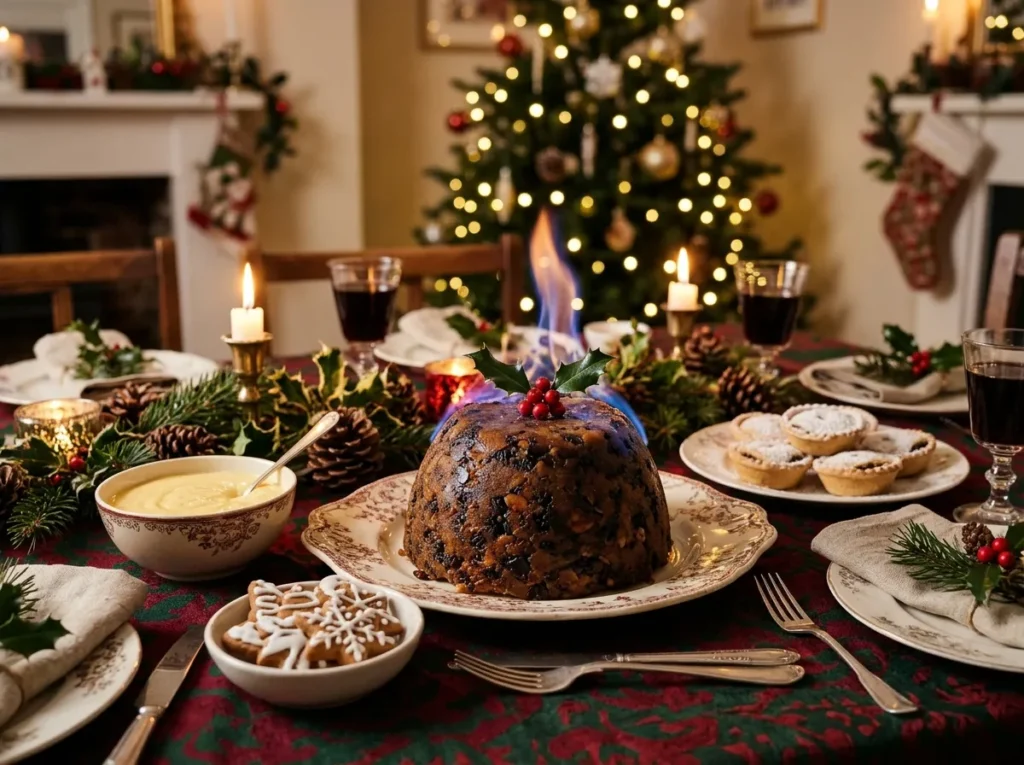
Whether you are aiming for a show-stopping centerpiece or simple, reliable cookies, understanding the science and tradition behind these iconic dishes will transform your holiday baking. Let’s explore how to execute these beloved sweets with precision and flair.
The Art of the Perfect Fruitcake
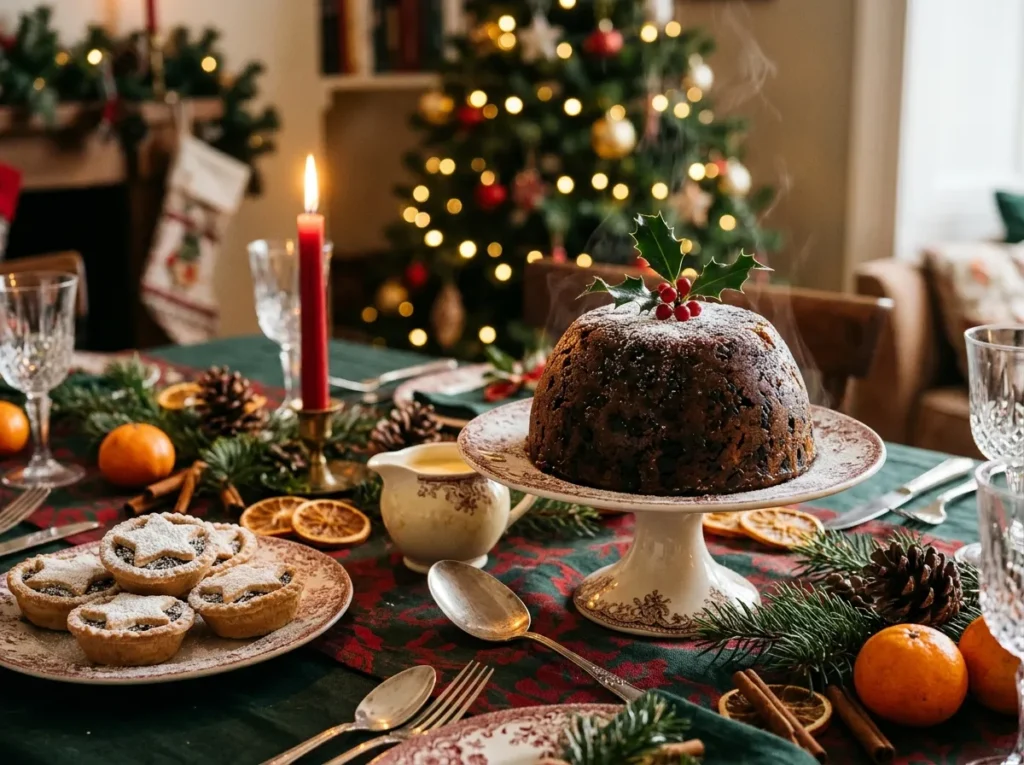
A traditional fruitcake is often misunderstood, yet when prepared with care, it remains a cornerstone of holiday baking. The secret lies in the long, slow soak of dried fruits—currants, raisins, sultanas, and candied peel—in quality spirits like brandy or dark rum. This process plumps the fruit and infuses it with deep, complex flavors that mature over several weeks.
To begin, combine your dried fruits with the alcohol in a glass bowl and let them sit for at least 24 hours, though a week is better. When you are ready to bake, cream your butter and brown sugar until light and fluffy, then beat in the eggs one at a time. The common mistake here is rushing the creaming process; if the butter isn’t properly aerated, the cake will be dense rather than moist and crumbly.
Fold in your flour, spices like cinnamon and nutmeg, and the soaked fruit mixture. Bake the cake at a low temperature, typically around 300°F (150°C), for several hours. Covering the top with parchment paper halfway through prevents the edges from drying out.
Once baked, wrap the cake in cheesecloth soaked in brandy and store it in a cool, dark place. Feeding the cake with additional spirits every week until Christmas creates a depth of flavor that is truly remarkable.
Mastering Buttery Shortbread Cookies
Shortbread is the definition of simplicity, relying on the quality of your butter to shine. Because this dough contains only three main components—butter, sugar, and flour—there is nowhere for poor-quality ingredients to hide. Always use high-fat European-style butter if possible, as it provides a richer flavor and a superior, melt-in-the-mouth texture.
Start by beating the softened butter with powdered sugar until smooth. Gradually add the flour and a pinch of salt, mixing only until the dough just comes together.
Overworking the dough is the most frequent error, as it develops the gluten and turns your delicate shortbread into a tough, chewy biscuit. Once the dough is formed, press it into a pan or roll it out and cut it into shapes.
Chill the cut shapes on a baking sheet for at least 30 minutes before putting them in the oven. This step is crucial because it firms the butter, preventing the cookies from spreading and losing their crisp edges during the bake. Bake them until they are pale golden, not brown.
The result should be a tender, buttery cookie that crumbles instantly when bitten. For a festive touch, you can dip half of each cooled cookie in tempered chocolate.
The Complexity of a Traditional Yule Log
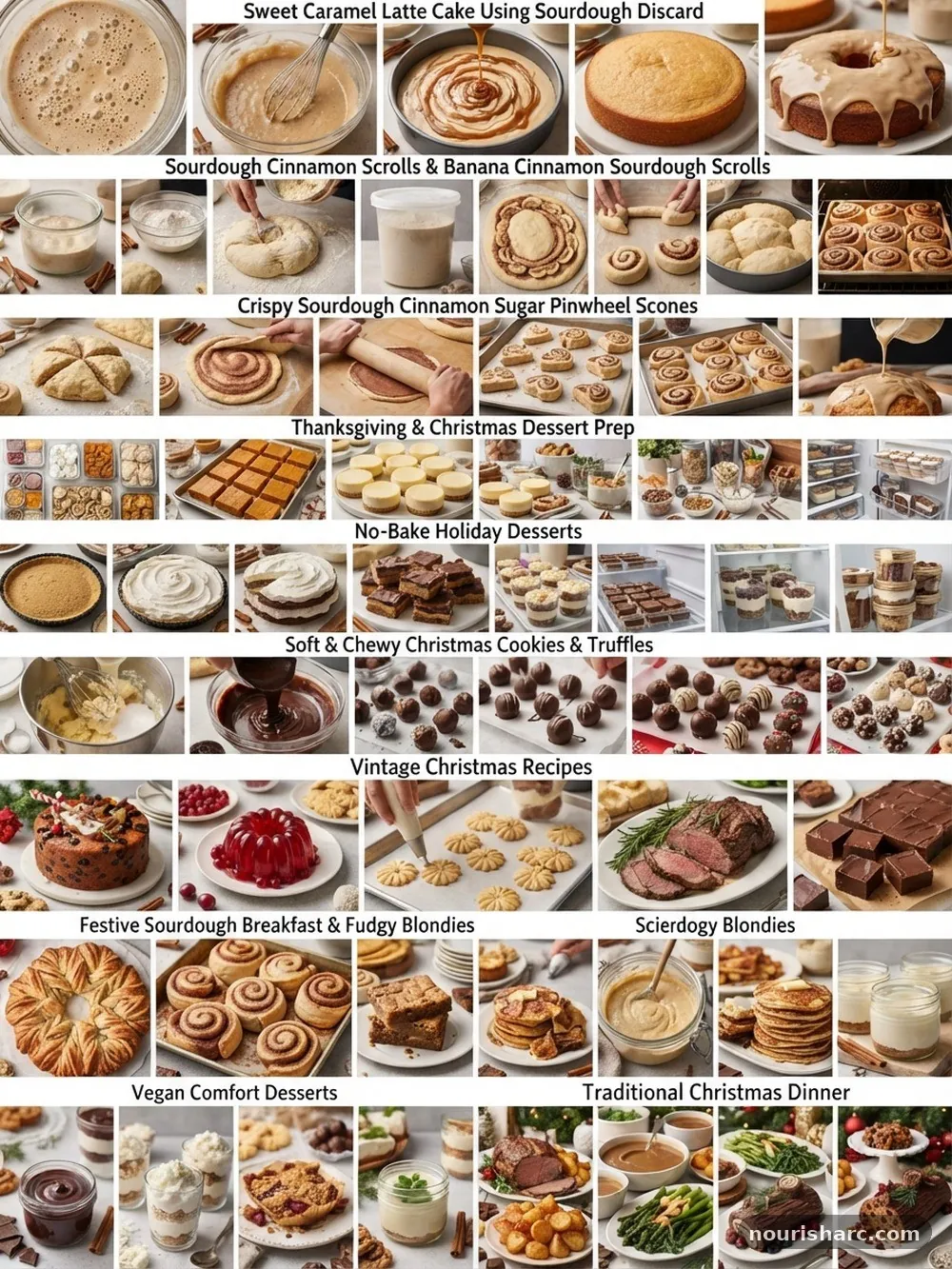
Known in France as the Bûche de Noël, the Yule log is a stunning centerpiece that showcases the beauty of a light sponge cake rolled with decadent filling. The sponge itself must be flexible enough to roll without cracking. The trick is to whip your eggs and sugar to a very thick, pale stage—often called the ribbon stage—before folding in the flour gently.
Once the cake is baked, roll it while it is still warm, using a clean kitchen towel dusted with cocoa powder. This “training” ensures the cake retains its shape without snapping later. While the sponge cools, prepare your filling.
A classic choice is a chocolate ganache or a whipped chestnut cream. Unroll the cake, spread the filling evenly, and roll it back up snugly.
The final step is the decoration, which mimics the appearance of a bark-covered log. Use a fork to drag lines through a thick chocolate buttercream frosting spread over the exterior.
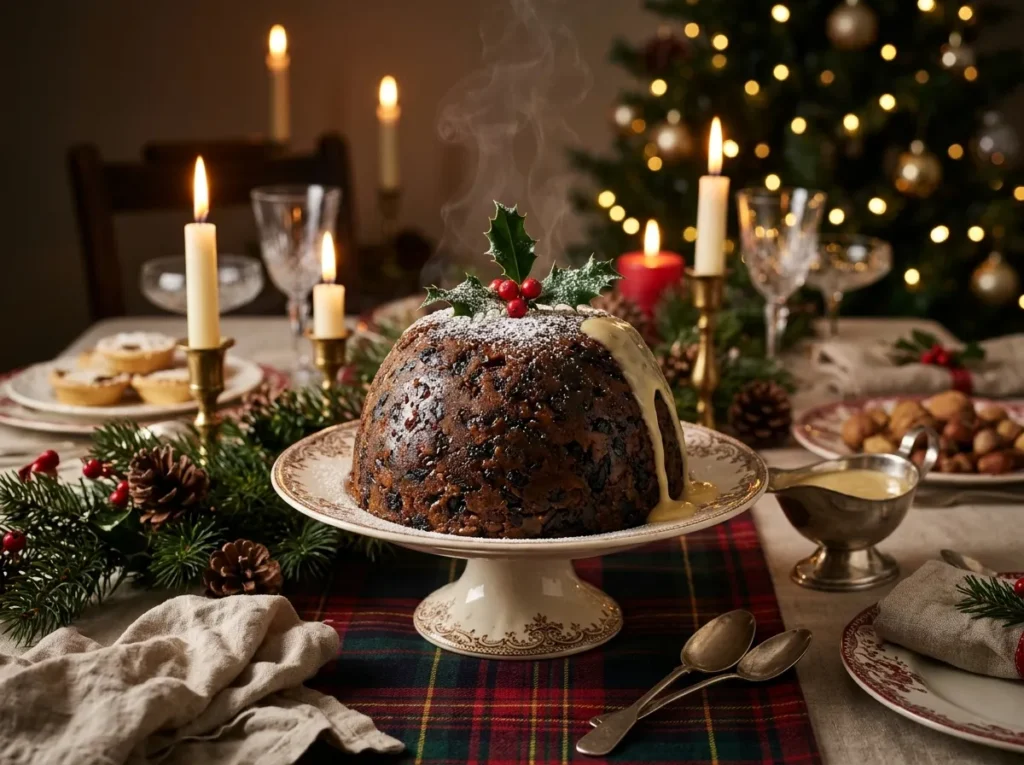
You can learn more about the chemistry of baking at The Salt at NPR, which offers insights into perfecting these types of delicate structures. Common mistakes include over-baking the sponge, which makes it brittle, or failing to let the filling set before rolling.
Crafting the Perfect Plum Pudding
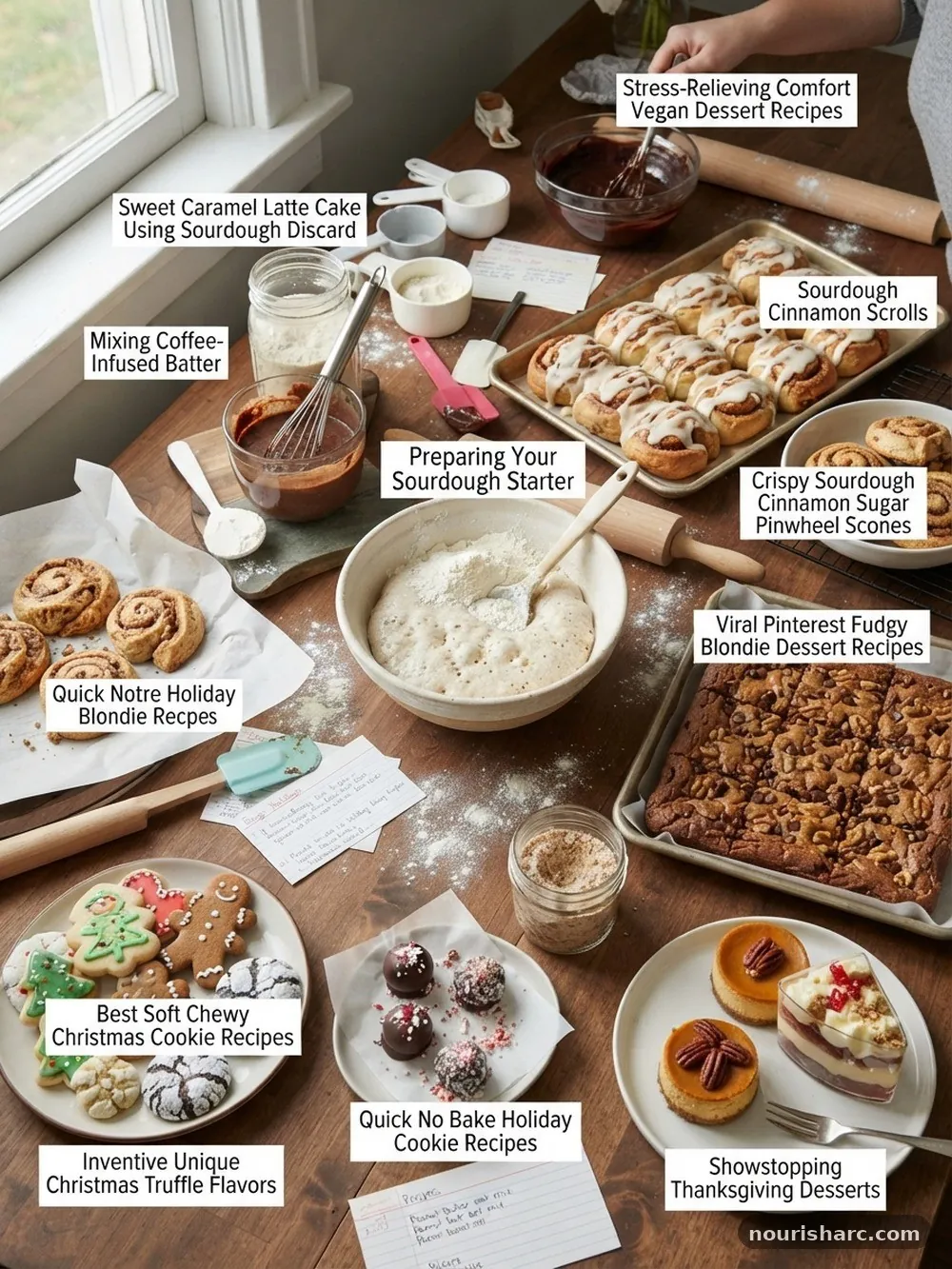
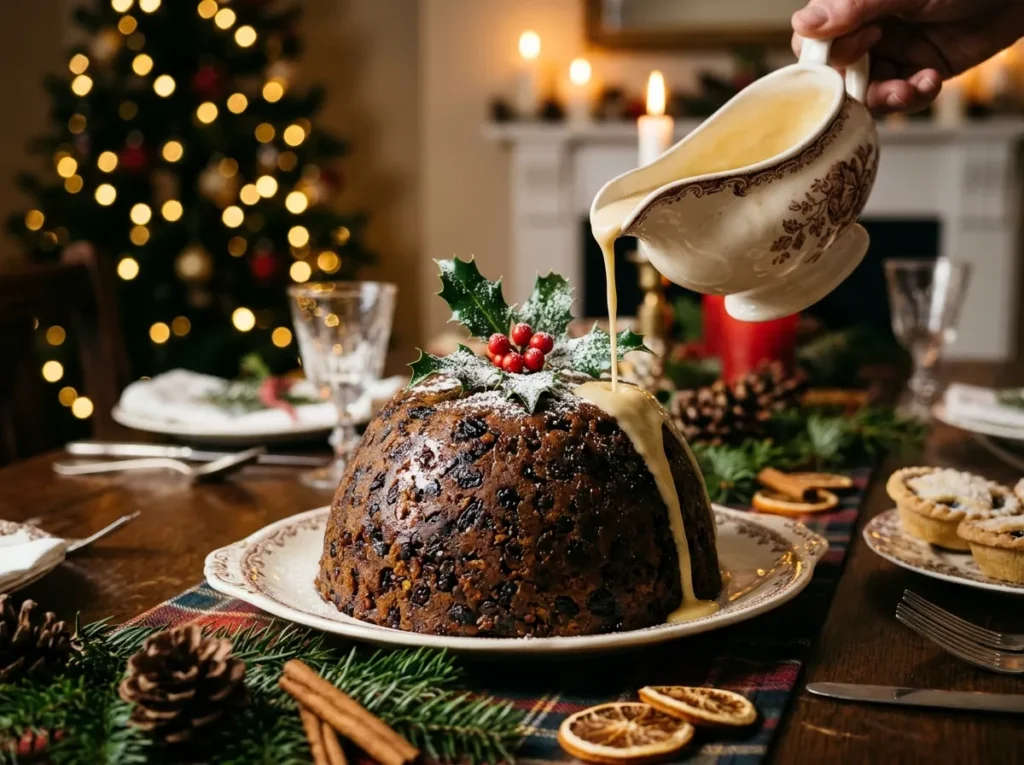
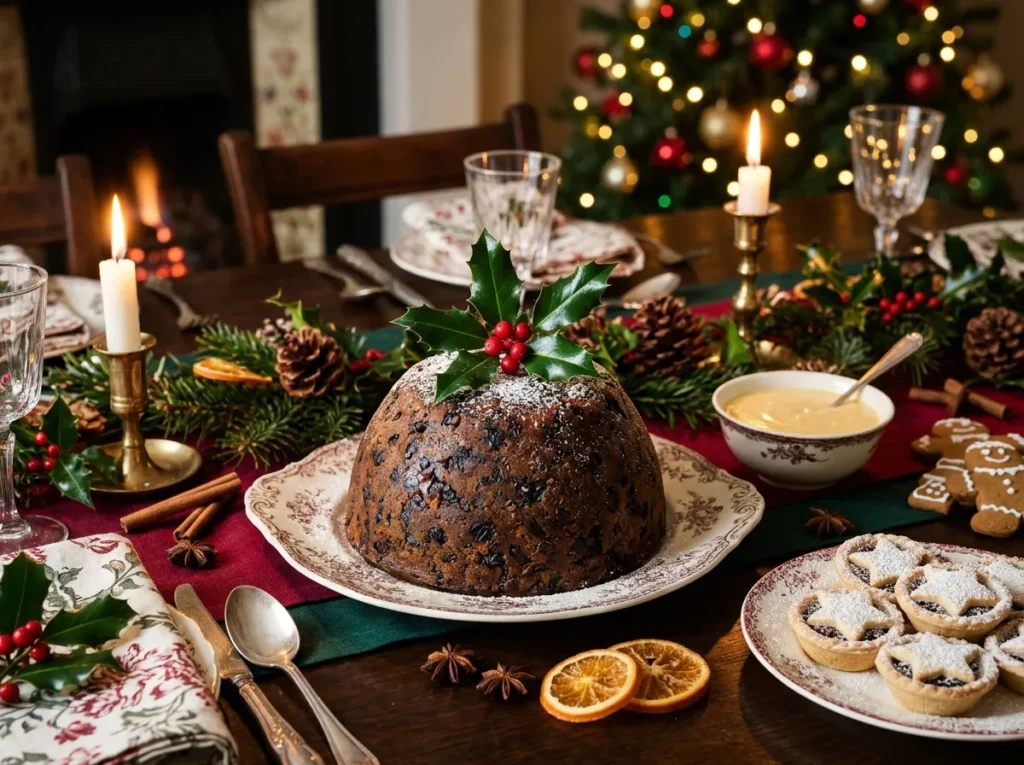
Steamed pudding is an ancient British tradition that brings a dramatic flair to the table, especially when served flaming. This dessert is essentially a dense, spiced fruit cake that is steamed rather than baked. You will need a pudding basin, suet, breadcrumbs, dried fruits, and warming spices.
Mix all your dry ingredients together with the suet and enough liquid—often stout, ale, or fruit juice—to create a thick batter. Pack this mixture tightly into your greased pudding basin. Cover the top with a circle of parchment paper and then a layer of foil, tying it securely with string to create a waterproof seal.
Place the basin in a large pot with boiling water reaching halfway up the sides. Steam for several hours, ensuring you top up the water level as it evaporates. The steam creates a moist, dense environment that is impossible to replicate in a dry oven.
A common error is not allowing the pudding enough time to mature; like a fruitcake, these benefit significantly from being made weeks in advance and kept in a cool pantry. When serving, warm the pudding, pour a little brandy over it, and carefully ignite it for a memorable presentation.
Traditional Gingerbread Structures
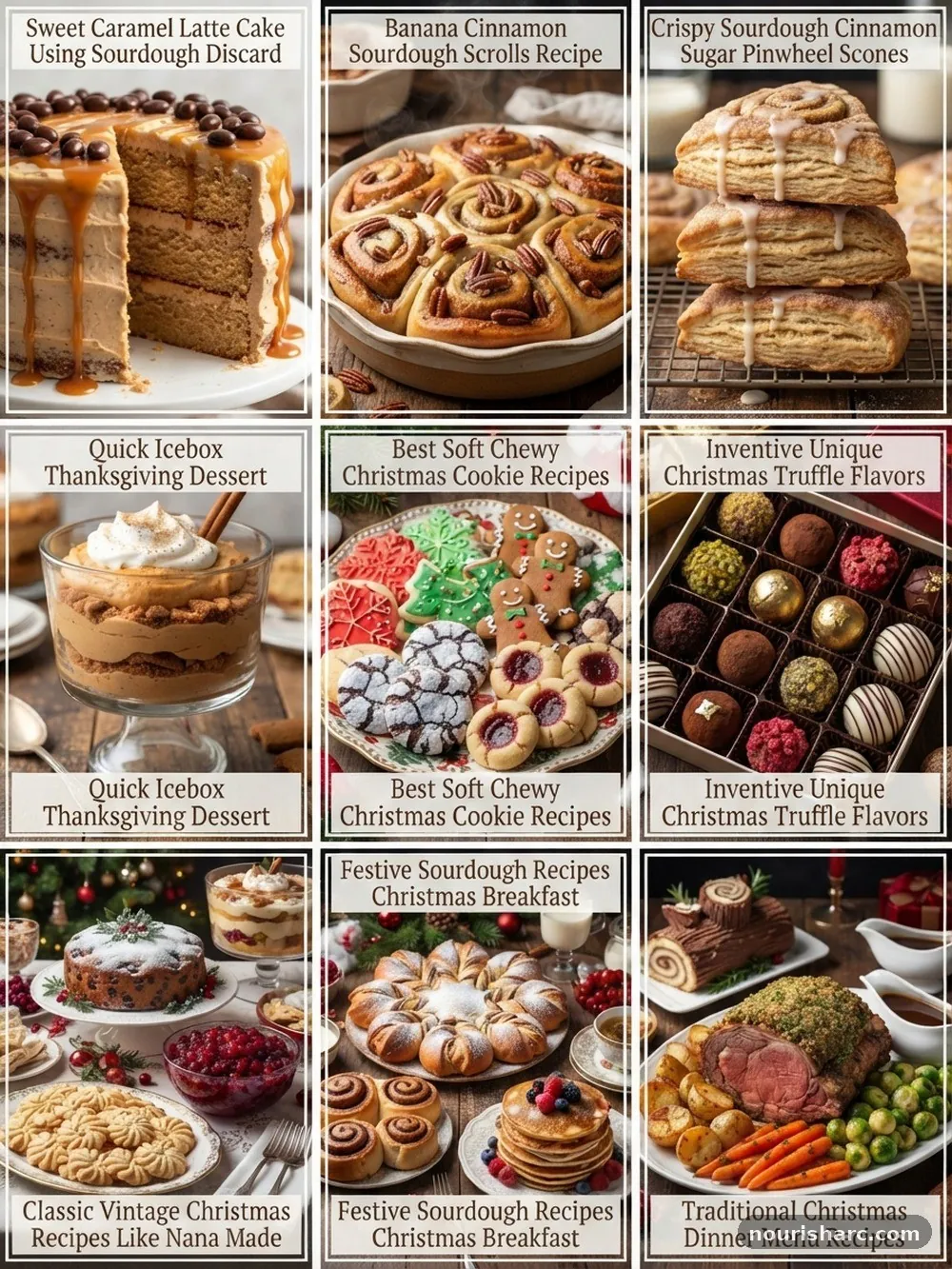
Gingerbread is more than just a cookie; it is a structural project that requires a sturdy, reliable dough. The key to a good construction recipe is using molasses or treacle, which provides the necessary stickiness and deep color. When mixing your dough, ensure you chill it thoroughly before rolling it out.
When cutting your shapes, use templates made from cardboard to ensure uniformity. If your walls aren’t straight, your house won’t stand.
Bake the pieces until they are firm and slightly darkened at the edges. One mistake many people make is trying to assemble the house while the cookies are still warm; they must be completely cool and hardened to bear the weight of the roof.
Use royal icing as your mortar. It dries rock-hard and will hold the walls together better than any other type of frosting.
If you want to add windows, crush boiled candies and place them in the cut-out window spaces during the last few minutes of baking; they will melt into a clear, stained-glass effect. Decorate with gumdrops, candy canes, and powdered sugar “snow” to finish your creation.
Creating Rich Chocolate Truffles
If you want a bite-sized treat that feels incredibly luxurious, chocolate truffles are the answer. They are surprisingly simple to make, requiring only high-quality chocolate and heavy cream. The ratio is usually two parts chocolate to one part cream.
Heat your cream until it just reaches a simmer, then pour it over finely chopped chocolate. Let the mixture sit undisturbed for five minutes before gently whisking it into a glossy ganache.
If you stir too vigorously, you may introduce air bubbles, which can affect the smooth texture of the finish. Once the ganache is cool, refrigerate it until it is firm enough to scoop into small balls.
Roll the balls in cocoa powder, chopped nuts, or crushed peppermint candies. The quality of your chocolate is the most important factor in this recipe; use a bar with at least 60% cocoa solids for the best results. Avoid using chocolate chips, as they often contain stabilizers that prevent them from melting into the silky, smooth consistency required for a professional-grade truffle.
Frequently Asked Questions
How far in advance can I make fruitcake?
You can make a traditional fruitcake up to two months before the holiday. Storing it in a cool, dark place and “feeding” it with a tablespoon of spirits weekly helps the flavors mellow and the texture improve over time.
What is the best way to keep shortbread from becoming tough?
The best way to ensure tender shortbread is to avoid over-mixing the dough. Once the flour is incorporated, stop mixing immediately. Also, using high-quality, high-fat butter makes a significant difference in the final crumb.
Can I substitute butter for suet in a traditional pudding?
While you can use butter, suet provides a unique, traditional texture and richness that is hard to mimic. If you must substitute, use chilled, grated vegetable shortening or high-quality butter, though the texture will be slightly less dense and moist.
How do I prevent my gingerbread house from collapsing?
The secret to a sturdy gingerbread house is royal icing, which hardens like cement. Ensure your cookie pieces are baked until crisp and completely cool before assembly. If necessary, use structural supports like small cardboard boxes inside the house while the icing sets.
Conclusion
Embracing these classic traditional Christmas dessert recipes allows you to create lasting memories through the medium of food. By focusing on high-quality ingredients and respecting the techniques passed down through generations, you elevate your holiday table to something truly special. Whether you find yourself perfecting the soak of a fruitcake or the delicate snap of a shortbread, these efforts ensure your celebrations are filled with sweetness and care.
Do not be afraid to experiment with your own flavor variations while keeping the traditional structure intact. The joy of holiday baking comes from the process as much as the final result.
If you have questions about specific adjustments or want to share your own success stories with these recipes, please feel free to reach out. Your kitchen is the heart of the home this season, so enjoy every moment of the process.