
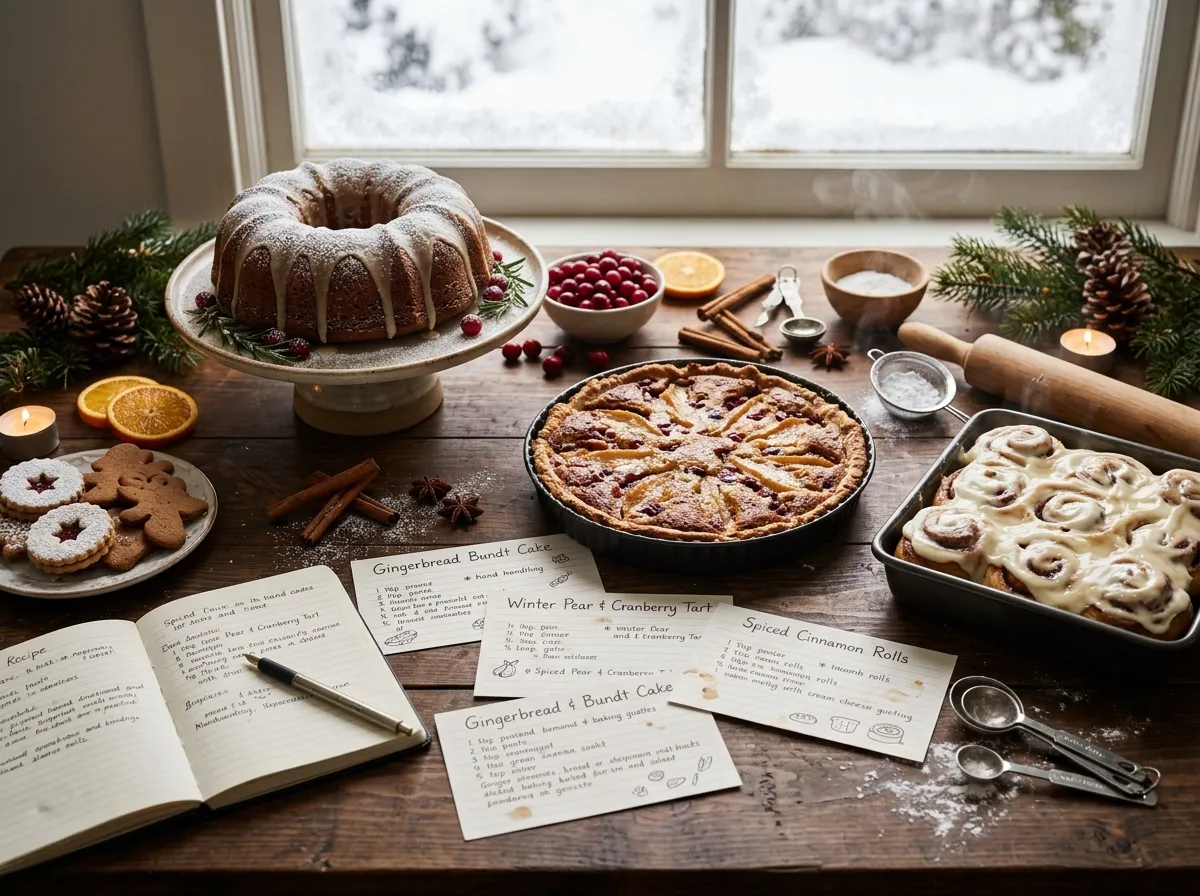
Cozy Warm Winter Dessert Recipes
When the temperature drops and the nights stretch long, nothing satisfies quite like a homemade treat fresh from the oven. Exploring cozy warm winter dessert recipes allows you to transform simple pantry staples into comforting masterpieces that turn a chilly evening into a memorable occasion. Whether you are craving the spiced aroma of baked fruit or the rich indulgence of molten chocolate, these techniques ensure success every time.
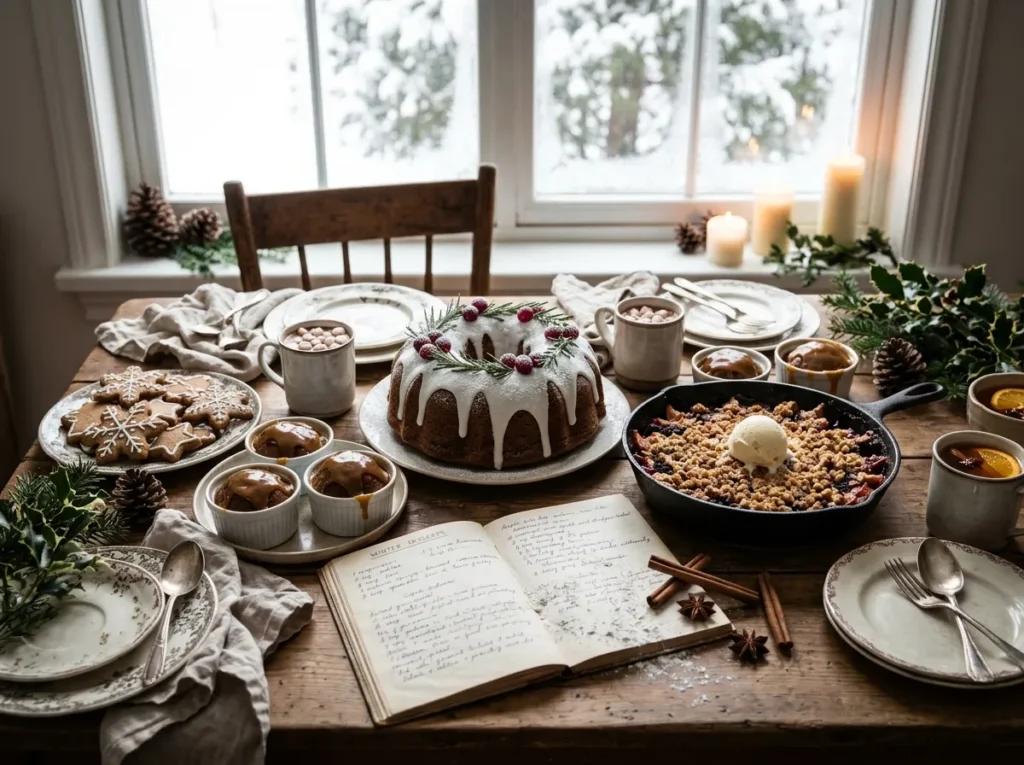
You will learn how to balance textures, master essential baking temperatures, and choose the right ingredients to create perfect sweets that bring warmth to your kitchen. Keep reading to discover how to master these seasonal favorites and fill your home with the inviting scent of winter baking.
Mastering the Art of a Classic Fruit Crisp

A fruit crisp is arguably the most forgiving and rewarding choice when you want a quick, soul-warming treat. The beauty lies in the contrast between the bubbling, tender fruit base and the crunchy, buttery topping.
To start, select seasonal produce such as apples or pears, slicing them thinly to ensure they soften evenly as they bake. Tossing your fruit with a touch of brown sugar, lemon juice, and warm spices like cinnamon creates a fragrant base that defines classic winter comfort.
The topping is where you can truly get creative. Combine rolled oats, flour, cold cubed butter, and a pinch of salt until the mixture resembles coarse crumbs.
A common mistake many home bakers make is overworking the butter into the flour; you want visible, pea-sized chunks of butter. These pockets of fat melt during the baking process to create a golden, flaky crust that pairs perfectly with the soft fruit underneath.
When assembling your dish, avoid packing the fruit too tightly in the pan, as this can prevent the juices from thickening properly. If you want to elevate the result, serve the crisp immediately while it is still steaming, ideally topped with a generous scoop of vanilla ice cream. The temperature difference between the hot fruit and the cold cream creates a sensory experience that is hard to beat on a freezing night.
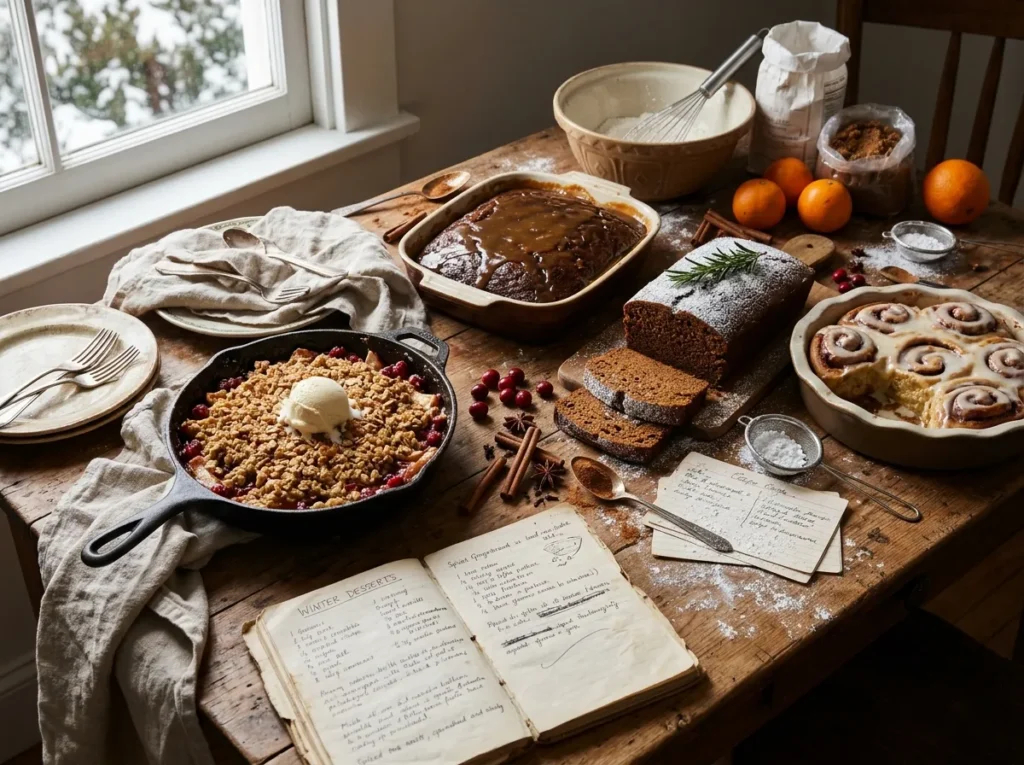
Creating the Perfect Bread Pudding
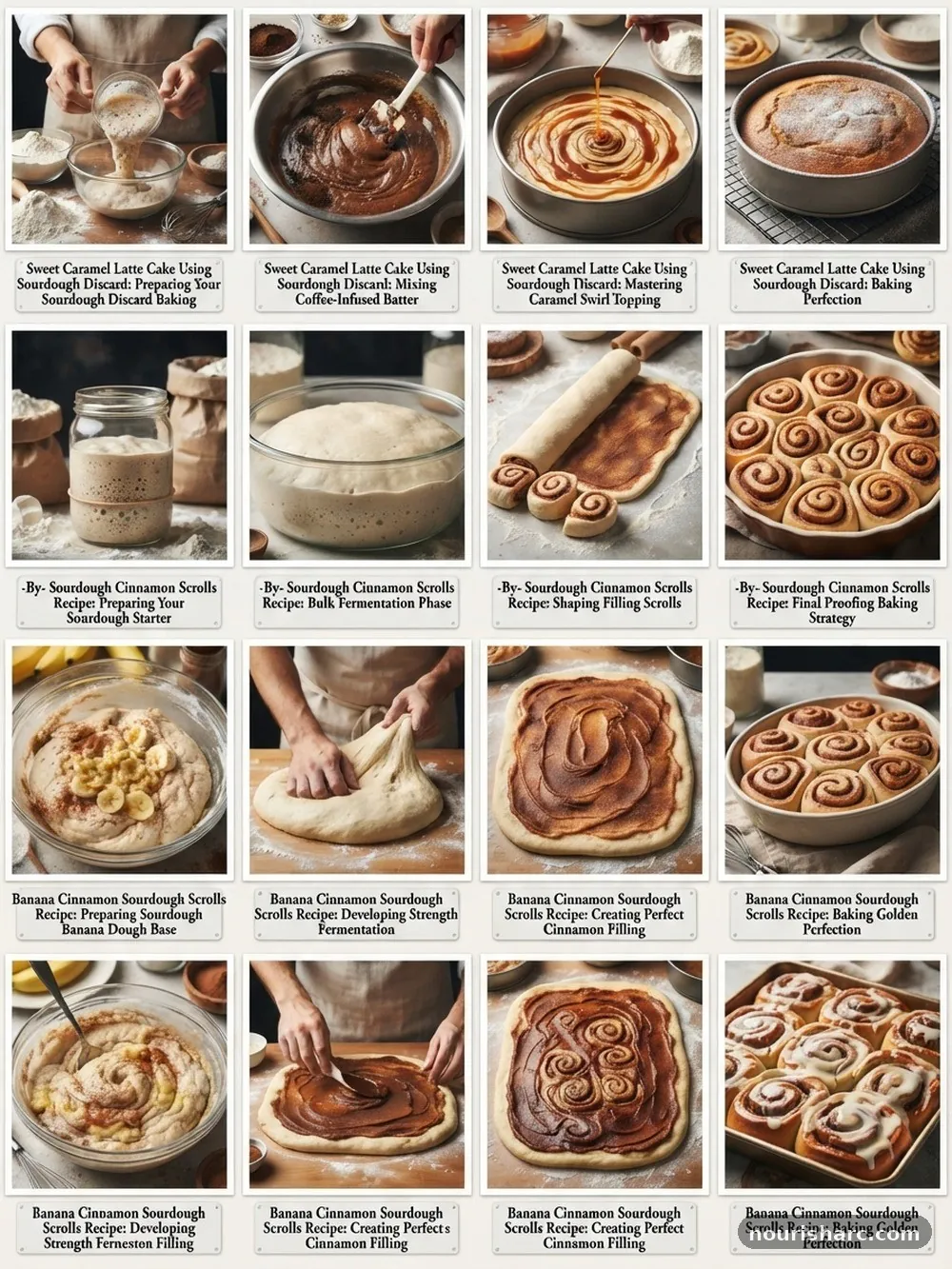
Bread pudding is the ultimate way to repurpose day-old bread into a luxurious, custard-based dessert that feels incredibly sophisticated. The key to a successful pudding is selecting a sturdy bread, such as brioche, challah, or even a crusty sourdough, which can absorb the rich liquid without turning into mush. You want the bread to soak up the mixture of eggs, heavy cream, sugar, and vanilla for at least thirty minutes before it hits the oven.
One common error is using bread that is too fresh. If your loaf is soft, slice it and let it sit out on the counter for a few hours or toast it lightly in the oven to dry it out.
This ensures that the bread maintains its structural integrity while soaking up the custard, resulting in a texture that is soft and creamy on the inside but slightly crisp on the edges. You can find detailed guidelines on custard ratios to ensure your base sets perfectly every time.
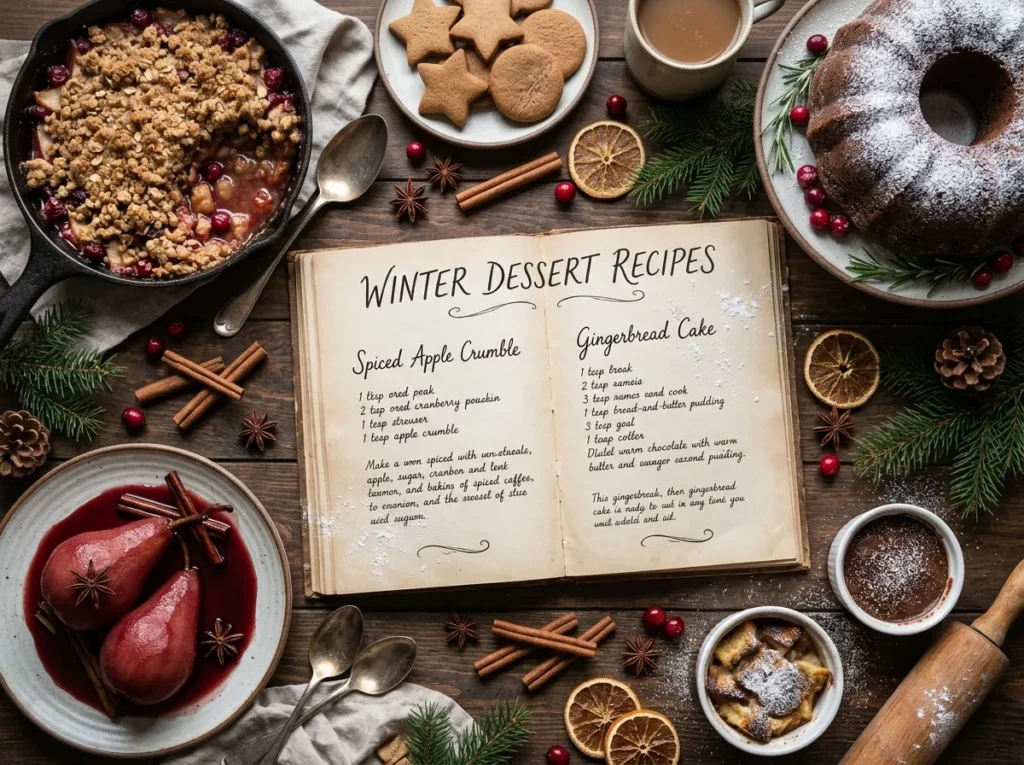
To add extra depth, fold in mix-ins like dried cranberries, dark chocolate chunks, or toasted pecans. If you prefer a more decadent finish, drizzle a warm caramel sauce over the top just before serving. The combination of the rich, eggy custard and the slightly caramelized top makes this one of the most reliable and comforting options for those who enjoy making traditional, hearty sweets.
Baking the Ultimate Skillet Cookie
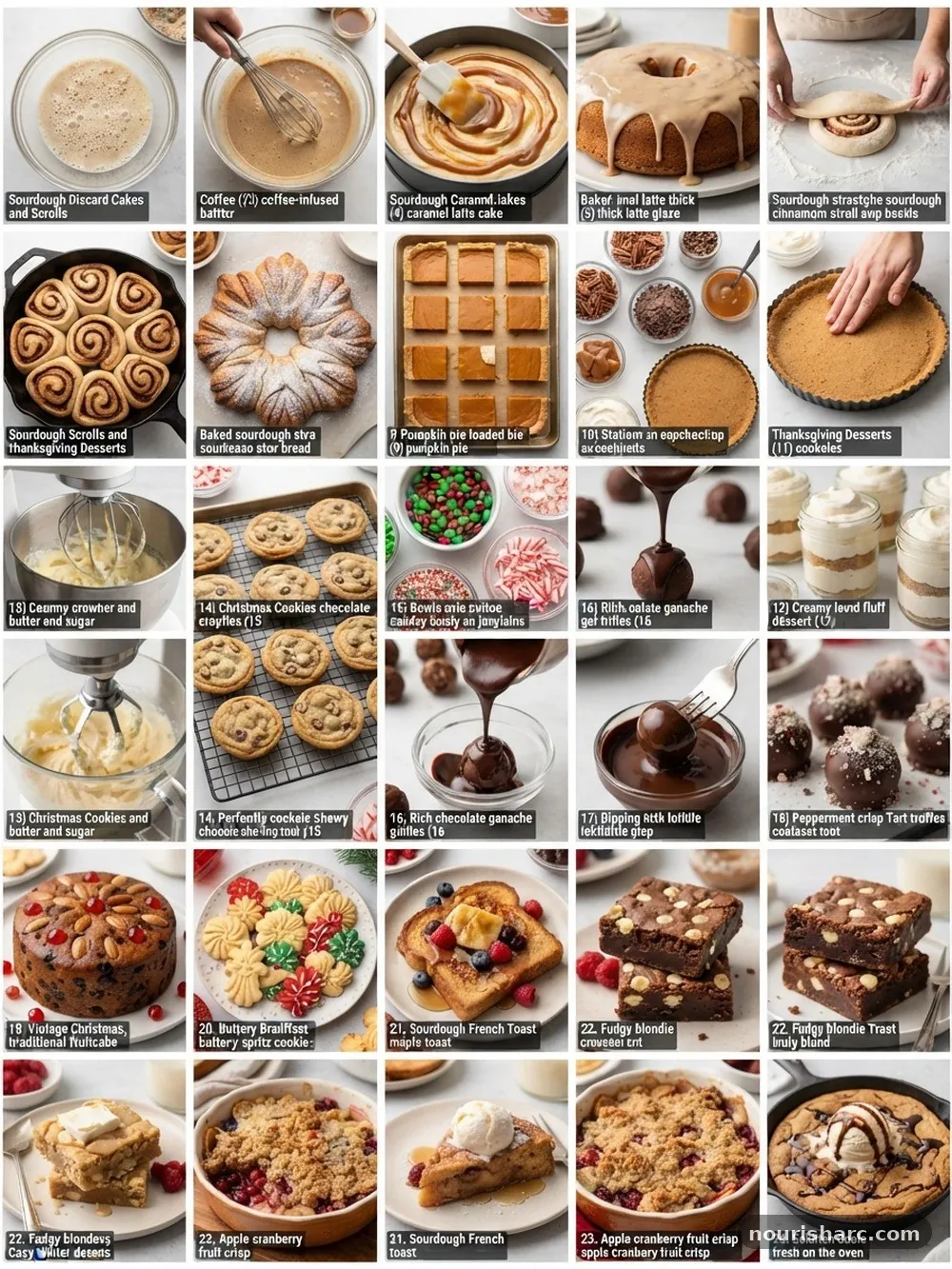
If you want a dessert that feels like a special event, a giant skillet cookie is the way to go. Baking a large chocolate chip cookie in a cast-iron skillet creates edges that are perfectly chewy and a center that remains gooey and soft. The heavy iron pan distributes heat evenly, which is essential for achieving that characteristic golden-brown finish without burning the bottom.
When mixing your batter, use a mix of brown and granulated sugar. The molasses in the brown sugar provides a deeper flavor and contributes to the chewy texture that defines a great cookie.
One mistake to avoid is over-mixing the dough once you add the flour. Stop mixing as soon as the last streak of flour disappears to ensure the final result is tender rather than tough.
Preheat your skillet in the oven for a few minutes before adding the dough to give the bottom a head start. Keep a close eye on the clock, as a skillet cookie can go from perfectly gooey to overbaked in a matter of minutes.
When you pull it out, the center should look slightly underdone. Let it rest for five to ten minutes; the residual heat from the skillet will finish the cooking process while the cookie sets into a sliceable, warm delight.
Crafting Warm Brownies with Molten Centers
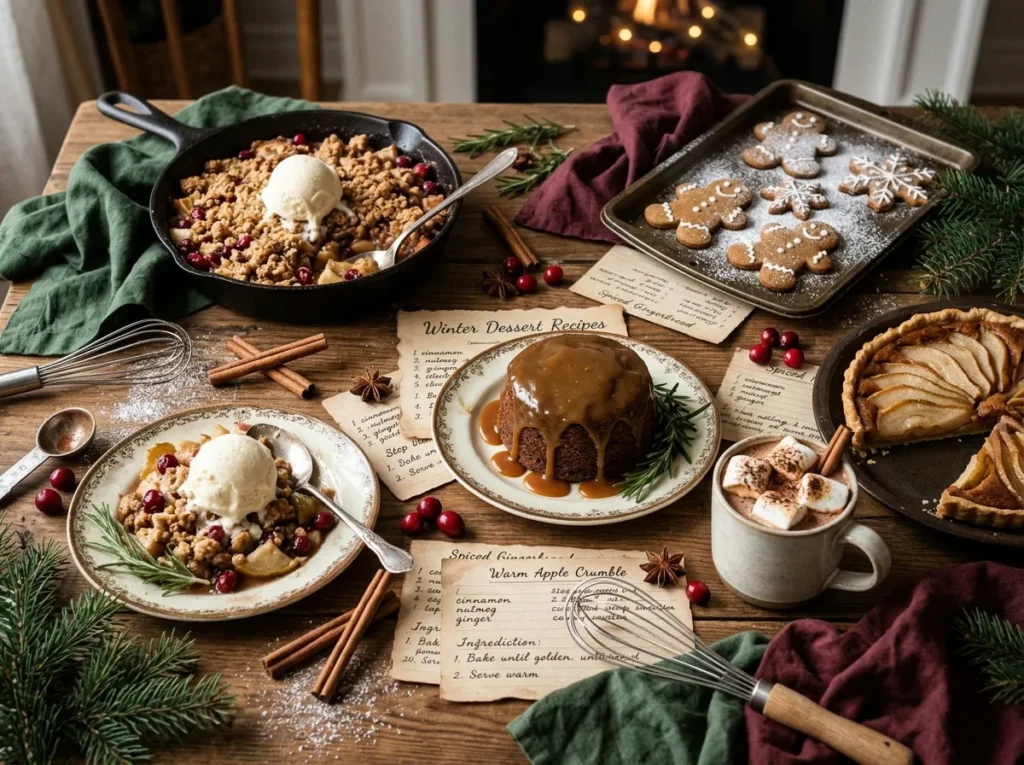
Brownies are a staple, but transforming them into a warm, gooey winter treat requires a focus on fat and cocoa content. Using a high-quality cocoa powder and a mix of melted butter and oil creates a brownie that is both rich in flavor and moist in texture. The secret to a molten center is to slightly underbake them, taking them out of the oven when the edges are set but the middle still has a slight jiggle.
A frequent mistake is using too much flour, which results in a cake-like brownie rather than the dense, fudgy version most people prefer. Always measure your flour by spooning it into the measuring cup rather than scooping it directly from the bag, which can pack the flour down and lead to an inaccurate measurement. Adding a pinch of espresso powder can also enhance the chocolate flavor without making the brownies taste like coffee.
For an extra touch of warmth, consider adding swirls of salted caramel or chunks of dark chocolate before baking. These additions melt into the batter, creating pockets of liquid gold that contrast beautifully with the firm, crackly top. Serve these warm with a dusting of powdered sugar or a dollop of fresh whipped cream to balance the intensity of the chocolate.
Tips for Seasonal Fruit Cobblers
Cobblers differ from crisps because they feature a biscuit-like topping rather than an oat-based crumble. The topping should be light, fluffy, and just barely sweetened to offset the tartness of the fruit filling.
When preparing your apples or berries, keep the pieces relatively uniform in size so they cook at the same rate. You can also toss the fruit in a little cornstarch or tapioca to help the juices thicken into a glossy sauce.
The biscuit topping requires cold butter, just like a pie crust. Use a pastry cutter or your fingers to incorporate the butter until you have small, pea-sized crumbs.
Gently stir in the liquid—either milk or buttermilk—until the dough just comes together. Avoid kneading the dough, as this develops the gluten and makes the topping tough.
Drop the dough by the spoonful onto the hot fruit filling. This allows the steam from the fruit to rise up through the biscuit, keeping the bottom of the dough tender while the top browns beautifully.
If you want a bit of extra texture, sprinkle coarse sugar over the dough before baking. This simple step adds a lovely crunch that highlights the contrast between the soft fruit and the buttery, warm biscuit.
Troubleshooting Common Baking Issues
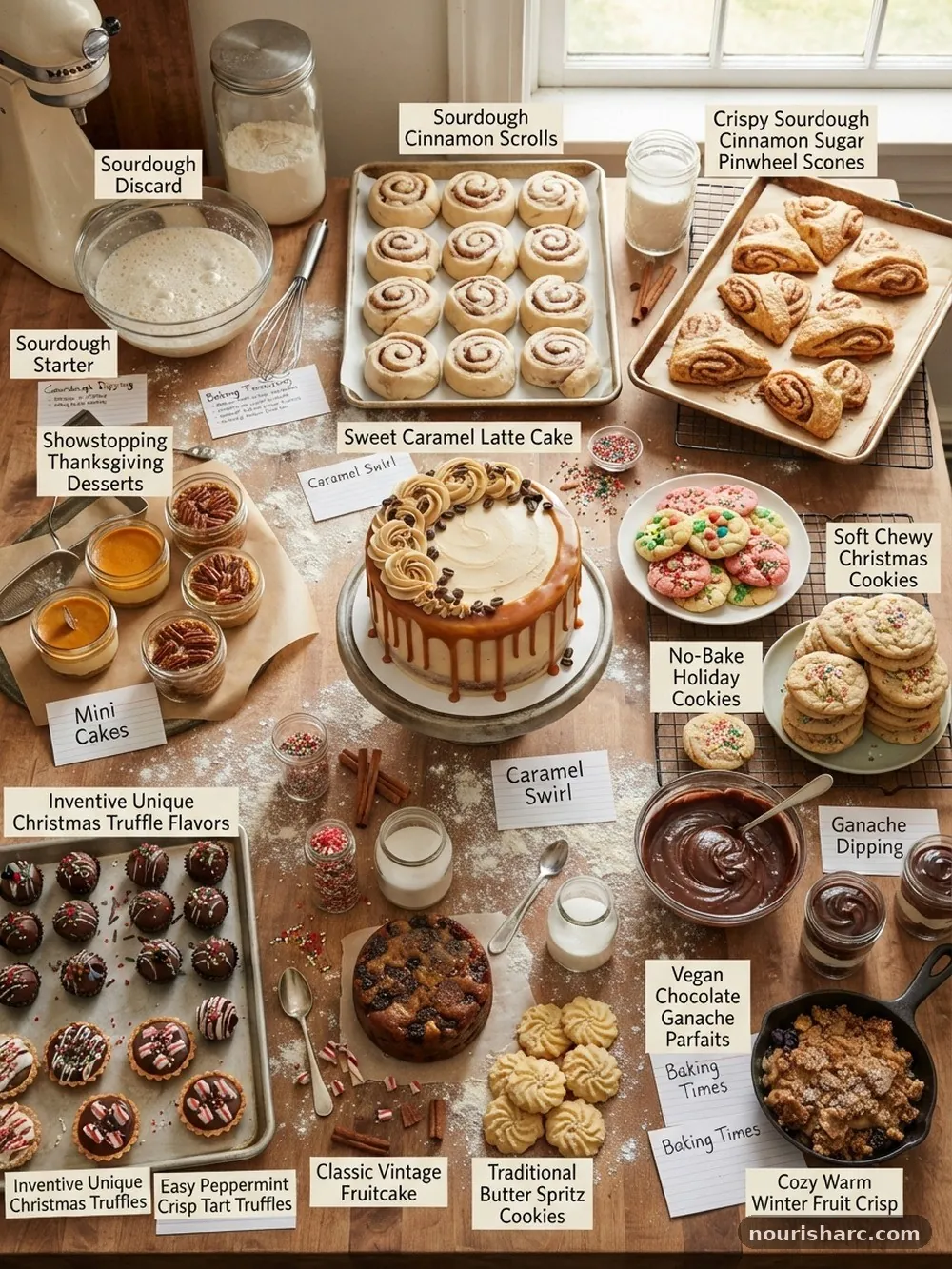
Even with the best recipes, baking in the winter can present unique challenges. If your kitchen is particularly cold, your yeast-based doughs might take longer to rise, or your butter might not soften properly.
Always aim for room-temperature ingredients when a recipe calls for them, as they emulsify better and create a smoother batter. If you are in a rush, you can place eggs in a bowl of warm water for a few minutes to bring them to the right temperature.
Another common issue is oven calibration. If your baked goods are consistently coming out underdone in the center or burnt on the edges, your oven temperature might be inaccurate.
Using an inexpensive oven thermometer can save you from ruined batches. It provides an objective reading of the actual heat inside the oven, which is often different from what the dial indicates.
Finally, do not be afraid to adjust your spices. Winter desserts benefit from bold flavors, so don’t hesitate to increase the amount of cinnamon, ginger, or cloves if you prefer a more fragrant result. Keeping a small notebook to jot down these adjustments ensures that you can recreate your favorite versions of these winter treats whenever the mood strikes.
Frequently Asked Questions
Can I make these desserts ahead of time?
Yes, many of these desserts can be prepped in advance. You can assemble a fruit crisp or cobbler up to a day early and keep it in the refrigerator, then bake it fresh when you are ready to serve. For brownies or bread pudding, they often taste just as good—if not better—when reheated gently in the oven.
How do I know when a warm dessert is fully baked?
The best way to tell is by sight and touch. For cakes and brownies, a toothpick inserted into the center should come out with a few moist crumbs attached. For fruit-based desserts, look for bubbling juices that have thickened and a golden-brown top. If you are ever unsure, a digital thermometer can help; most baked goods are done when the internal temperature reaches about 190°F to 200°F.
What is the best way to reheat leftovers?
To maintain the texture, avoid the microwave if possible. Reheating in a moderate oven at 300°F for ten to fifteen minutes is ideal. This helps the topping of a crisp stay crunchy and prevents bread pudding from becoming rubbery. If you must use a microwave, use a lower power setting and check the dessert frequently to prevent overcooking.
Can I substitute frozen fruit for fresh fruit?
Absolutely. Frozen fruit is often picked at the peak of ripeness and works wonderfully in baked desserts. You do not need to thaw the fruit before adding it to your recipe, but you may need to add an extra tablespoon of cornstarch or flour to account for the additional moisture released during the baking process.
How do I keep my whipped cream from melting on hot desserts?
The key is temperature control. Chill your mixing bowl and beaters in the freezer for ten minutes before whipping the cream. Also, wait until the very last second to dollop the cream onto your warm dessert. If you are serving a crowd, keep the whipped cream in the refrigerator until you are ready to plate each portion.
Creating a warm, comforting treat is one of the most rewarding ways to embrace the colder months. By focusing on quality ingredients and mastering the simple techniques behind these cozy warm winter dessert recipes, you can easily turn an ordinary evening into a special experience. Whether you choose the rustic charm of a fruit crisp or the rich indulgence of a skillet cookie, the result is sure to bring joy to your table.
Don’t be afraid to experiment with your favorite spices or seasonal fruits to make these classics your own. I encourage you to pick one of these ideas this weekend, head into the kitchen, and share the warmth of a homemade dessert with the people you love.