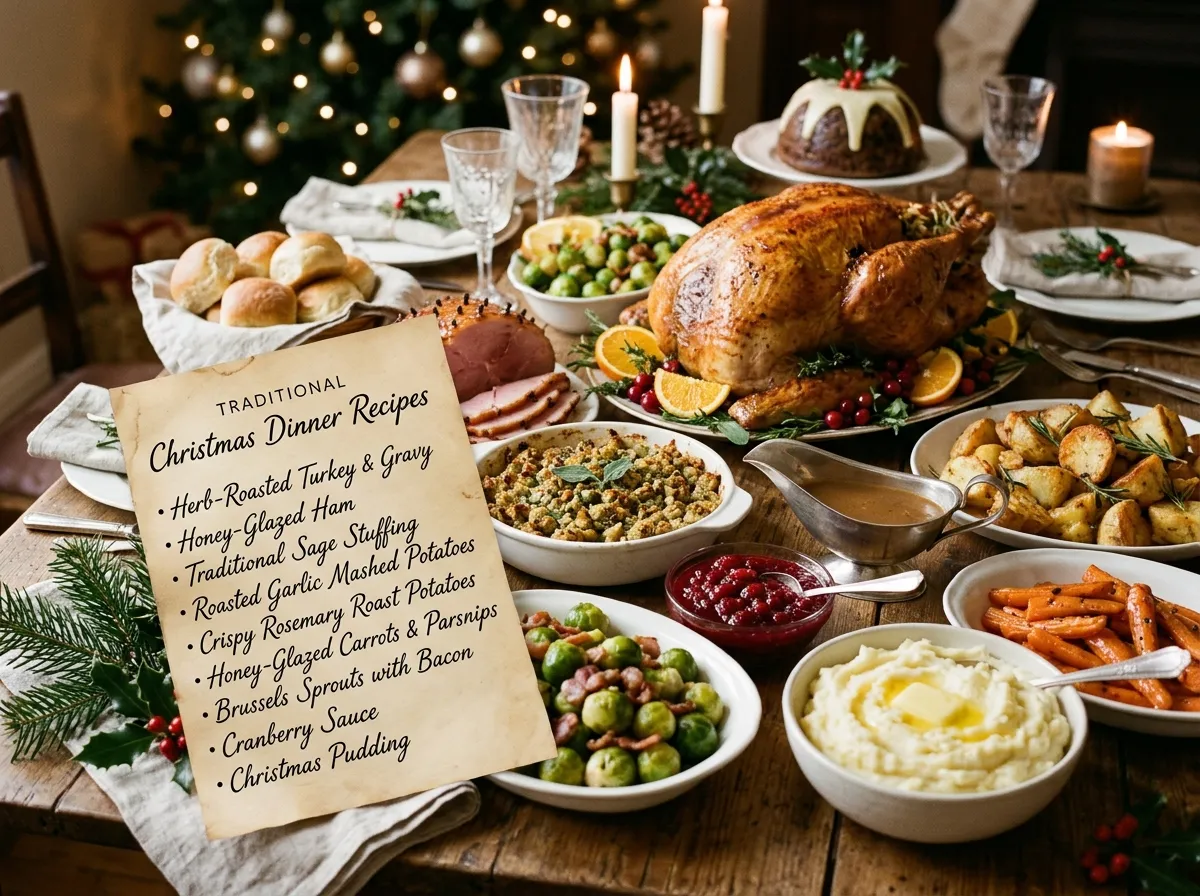
Traditional Christmas Dinner Menu Recipes
Mastering the art of preparing traditional Christmas dinner menu recipes ensures your holiday table feels nostalgic, warm, and deeply satisfying for every guest. Whether you are aiming for a succulent roast centerpiece or perfectly seasoned sides, these steps provide the technical foundation needed for a successful feast. You will discover how to balance bold flavors, manage oven timing, and execute the classic techniques that turn fresh ingredients into a wonderful, memorable meal.
By focusing on essential preparations and timing, you can transform your kitchen into a hub of festive activity without the usual stress. Let’s look at how to build this holiday meal from start to finish.
Selecting and Preparing the Centerpiece Roast
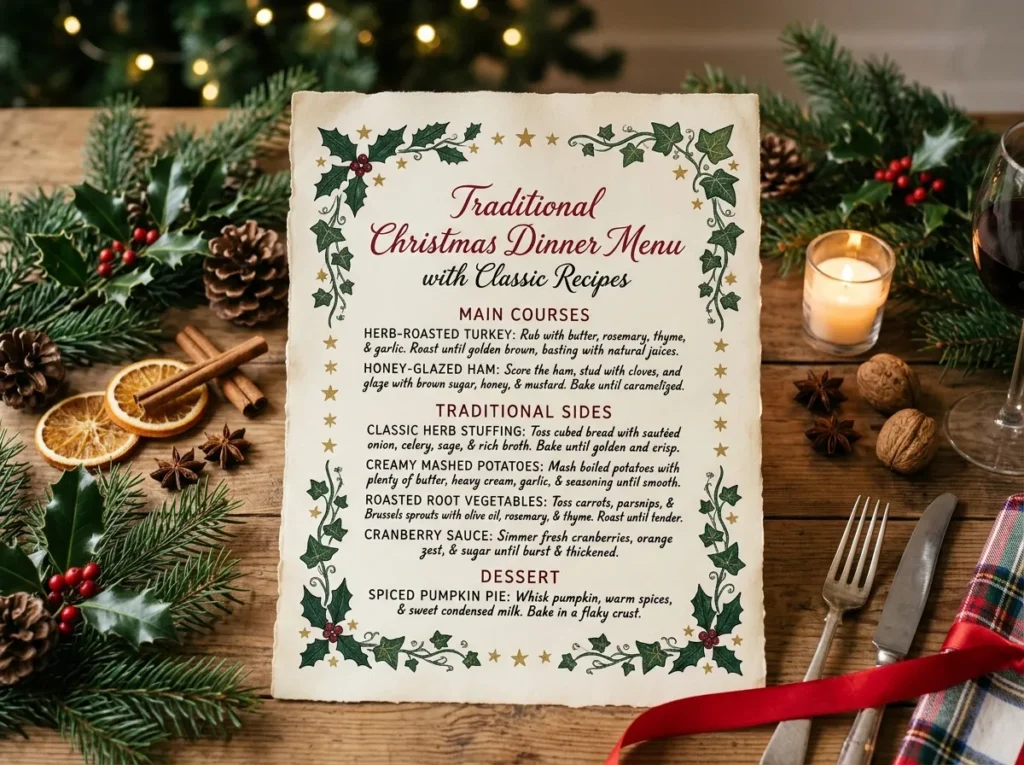
The centerpiece is the heart of your holiday meal, and choosing the right protein defines the entire experience. For a classic approach, many hosts turn to a prime rib or a crown roast of pork. If you prefer something more historic, a whole roasted goose or duck offers a rich, flavorful alternative that feels particularly special.
When selecting your meat, always prioritize quality from a trusted butcher. A well-marbled piece of beef or a bird with good fat content provides the best texture and flavor during the long roasting process.
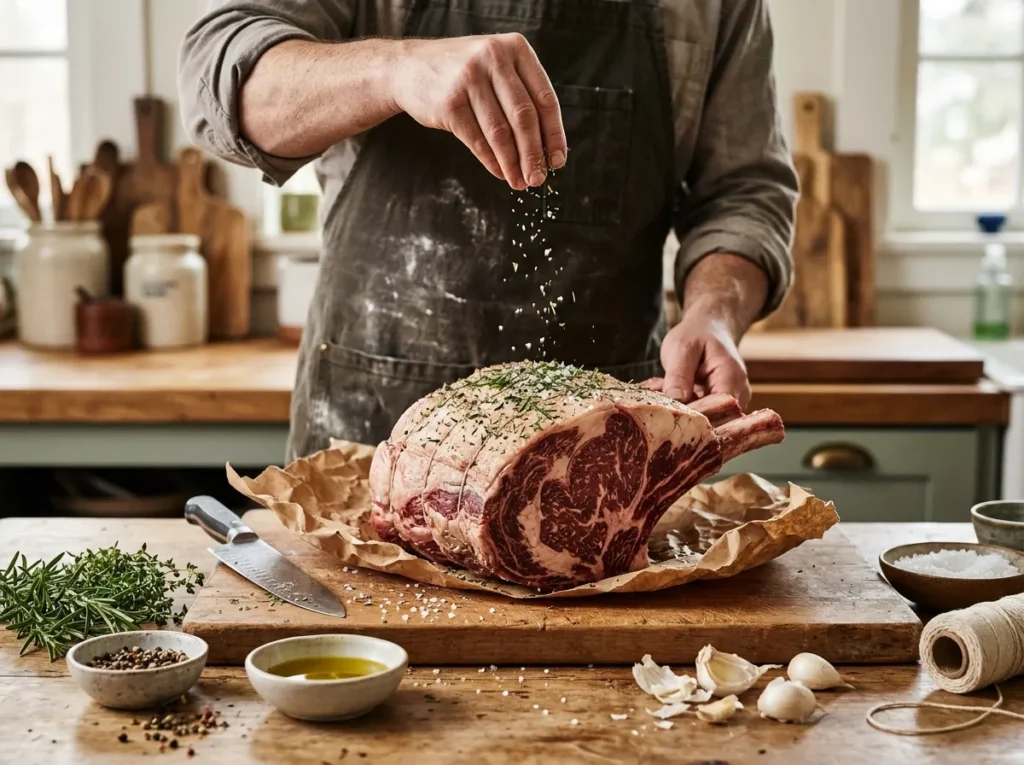
Preparation begins well before the oven is turned on. You should bring your meat to room temperature for at least an hour before cooking to ensure even heat distribution. Seasoning is non-negotiable; a generous coating of sea salt, cracked black pepper, and fresh herbs like rosemary or thyme creates a savory crust.
Avoid the mistake of overcrowding your roasting pan. Use a rack to elevate the meat, allowing hot air to circulate underneath for a uniform brown exterior. For those interested in the science of heat transfer, the culinary experts at NPR offer excellent insights into achieving the perfect roast.
Perfecting Crispy Roasted Potatoes
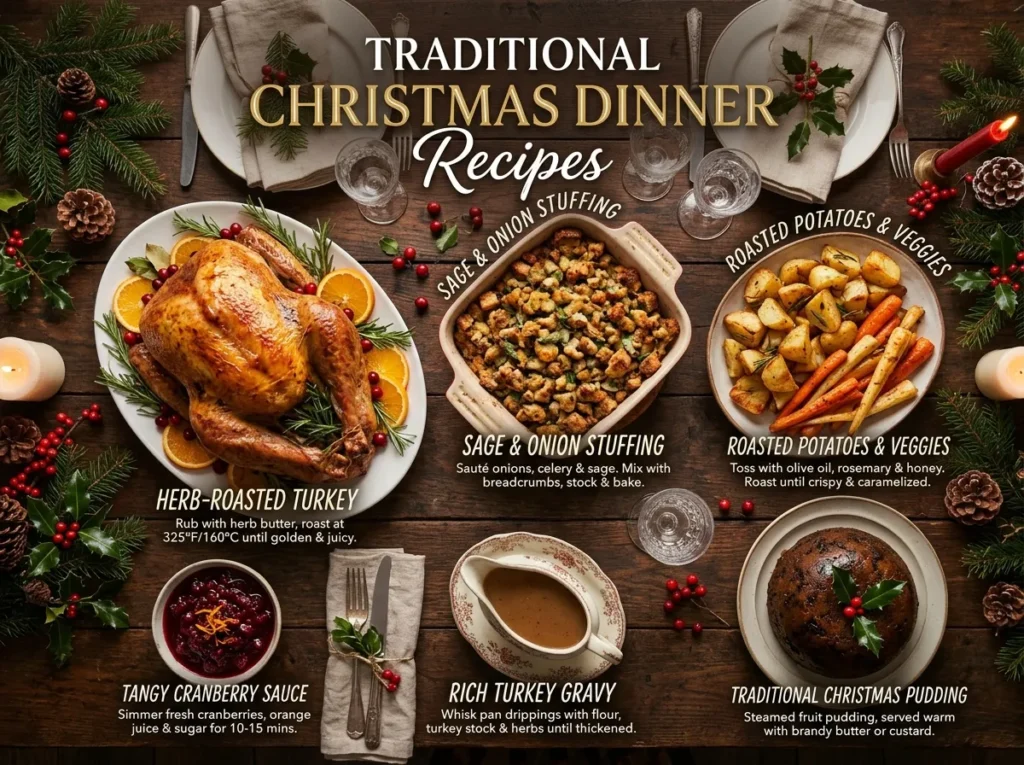
Potatoes are a non-negotiable component of any festive table, but achieving that elusive combination of a glass-like crunch and a fluffy interior requires a specific method. Start by choosing a starchy variety, such as a Russet or Maris Piper, which breaks down effectively during the parboiling stage. Cut the potatoes into uniform chunks so they cook at the same rate.
The most common mistake is failing to drain them properly; after parboiling for about eight minutes, shake them in the colander to roughen the edges. This creates more surface area, which translates directly to a crunchier final bite.
Once your potatoes are prepared, heat your fat—goose fat or beef drippings are traditional favorites—in a roasting tin until it is shimmering. Carefully add the potatoes, turning them to coat every side in the hot fat. Season them with sea salt and perhaps a few sprigs of rosemary.
Do not disturb them for at least 30 minutes. Flipping them too early will cause the delicate crust to stick to the pan rather than crisp up. A golden, deep brown color is the goal, signaling that they are ready to be served alongside your main dish.
Creating Rich, Flavorful Sauces and Gravy
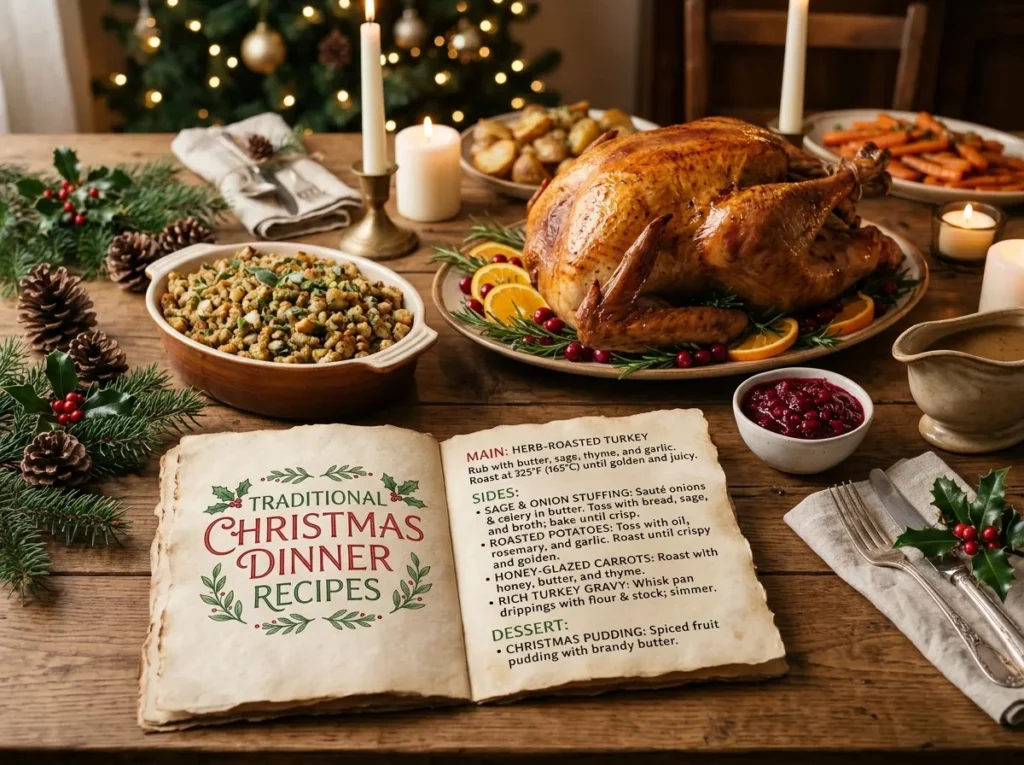
A meal without a proper sauce or gravy can feel incomplete, as these additions bridge the gap between the dry roast and the starchier sides. To make a traditional gravy, you must utilize the drippings left in the bottom of your roasting pan. De-glaze the pan with a splash of red wine or a high-quality stock, scraping up all the caramelized bits of meat and herbs.
These browned particles, known as fond, hold the concentrated essence of the dish. Whisk in a small amount of flour or cornstarch slurry to reach your desired thickness.
The secret to a superior sauce is patience. Let the gravy simmer gently on the stovetop, allowing the flavors to meld and the liquid to reduce slightly. If the flavor is too mild, add a teaspoon of Worcestershire sauce or a touch of balsamic vinegar to brighten the profile.
Avoid the temptation to use a store-bought packet; the effort of making your own from the pan drippings is significantly more rewarding. Taste the sauce frequently as it reduces, adjusting the seasoning only at the very end to prevent it from becoming overly salty as the liquid evaporates.
Preparing Seasonal Green Vegetables
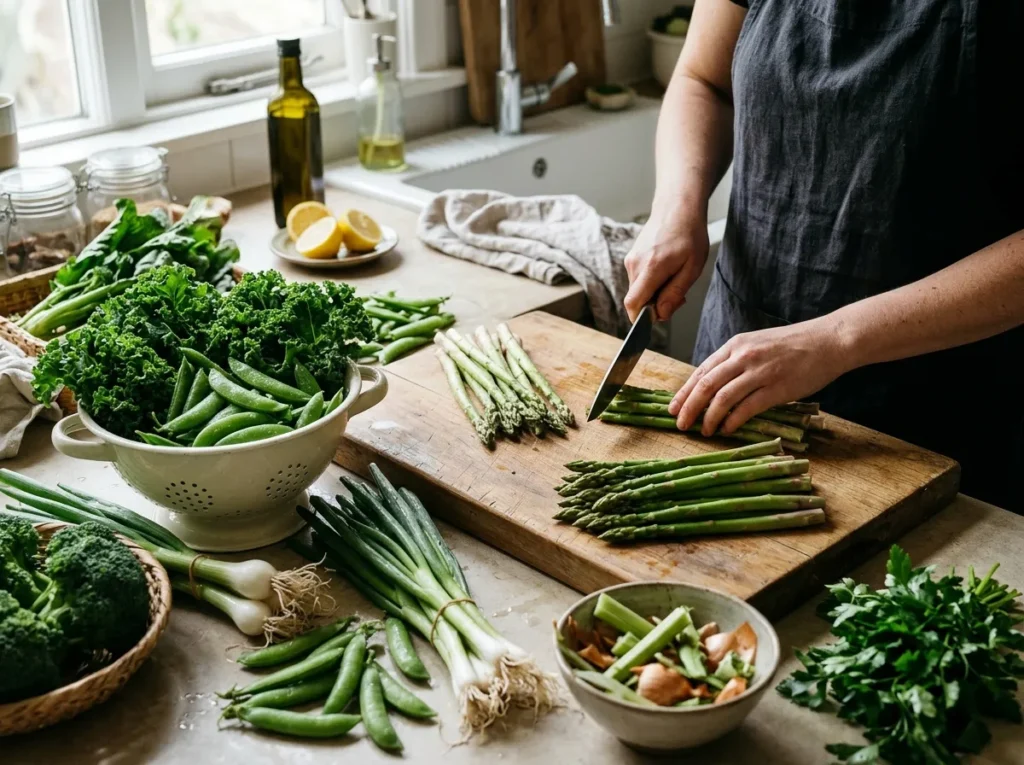
While the roast and potatoes command the most attention, seasonal greens provide a necessary contrast to the richness of the rest of the menu. Brussels sprouts are a classic choice, particularly when paired with smoky bacon or toasted chestnuts. The key to making these a favorite dish is to avoid boiling them into mush.
Instead, sauté or roast them until they are just tender and slightly charred. This technique brings out their natural sweetness and removes the bitter edge that many people dislike.
Other excellent options include honey-glazed carrots or blanched green beans finished with a touch of butter and toasted almonds. When working with vegetables, timing is everything. You want them to be vibrant and crisp-tender when the main course is ready to be carved.
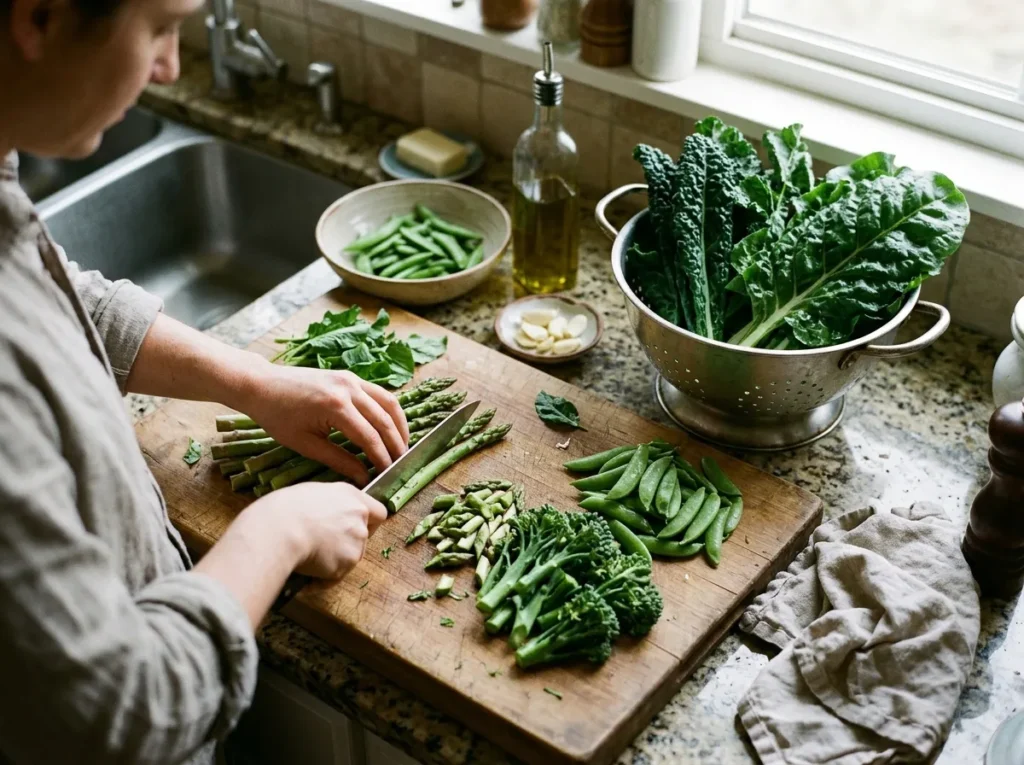
If you are roasting them, place them in the oven during the final 20 minutes of the roast’s resting period. This ensures everything is hot and ready to serve simultaneously, which is the hallmark of a well-planned holiday dinner.
Incorporating Traditional Holiday Desserts
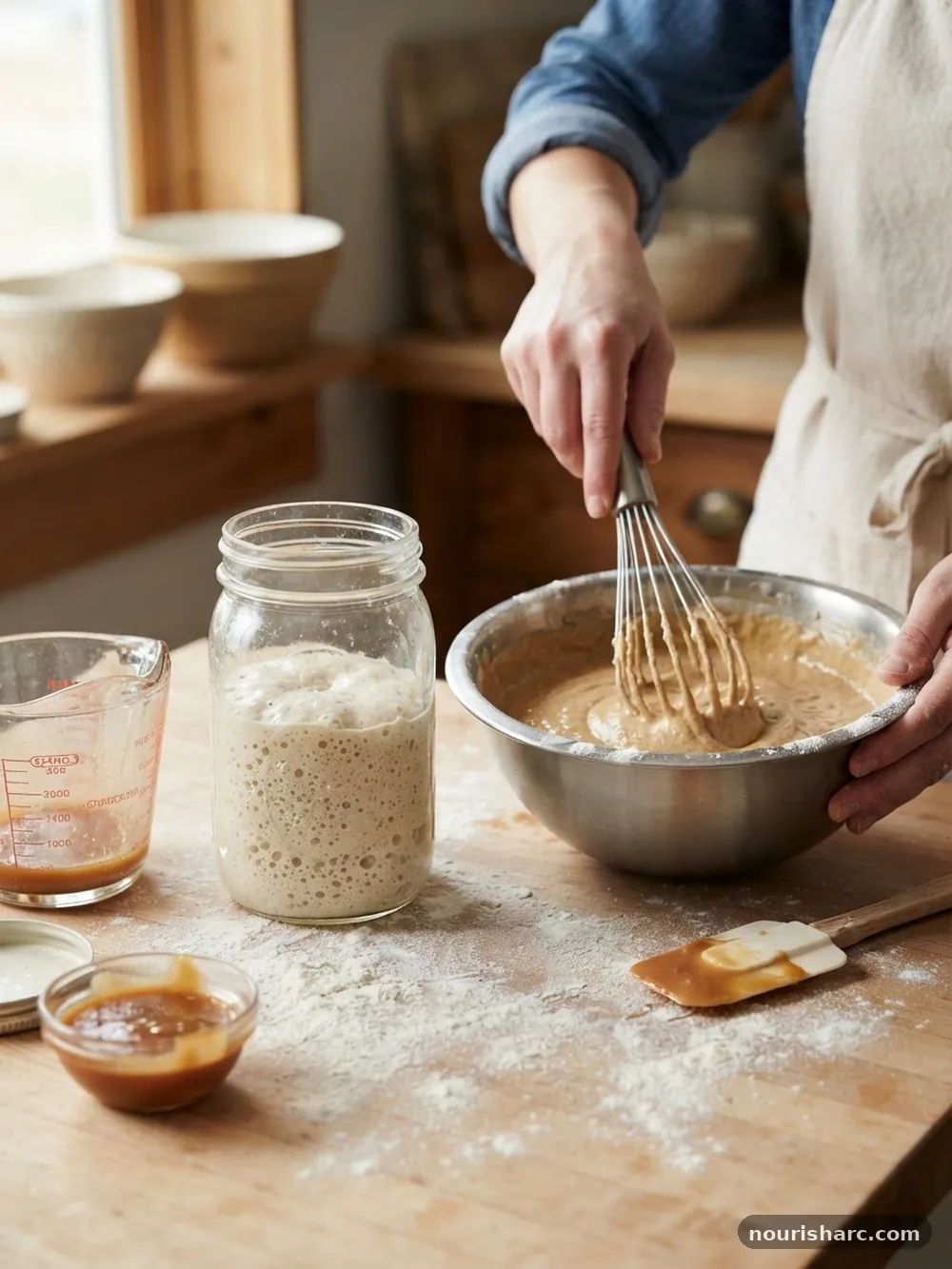
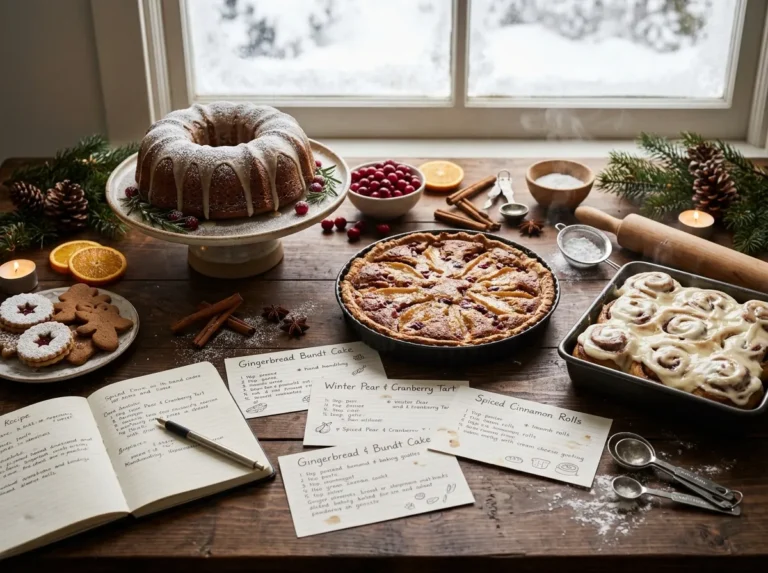
No holiday feast is complete without the sweet finish that defines the season. Gingerbread, fruitcakes, and spiced cookies are iconic elements that bring comfort and tradition to the table. If you are baking gingerbread, focus on getting the balance of ginger, cinnamon, and molasses correct.
The dough should be rolled to a consistent thickness to ensure even baking, and the cookies should be cooled completely on a wire rack before you attempt any decorative icing. This prevents the icing from melting or sliding off the surface.
For a more substantial dessert, consider a classic plum pudding or a trifle layered with custard and fruit. These dishes often improve with time, so they are excellent candidates for advance preparation. Making these items a day or two before the event allows you to focus on the savory components on the big day.
When serving, offer a variety of textures—something creamy alongside something spiced or crunchy. This variety ensures that every guest finds something they enjoy, concluding the meal on a high note.
Managing Timing and Serving Logistics
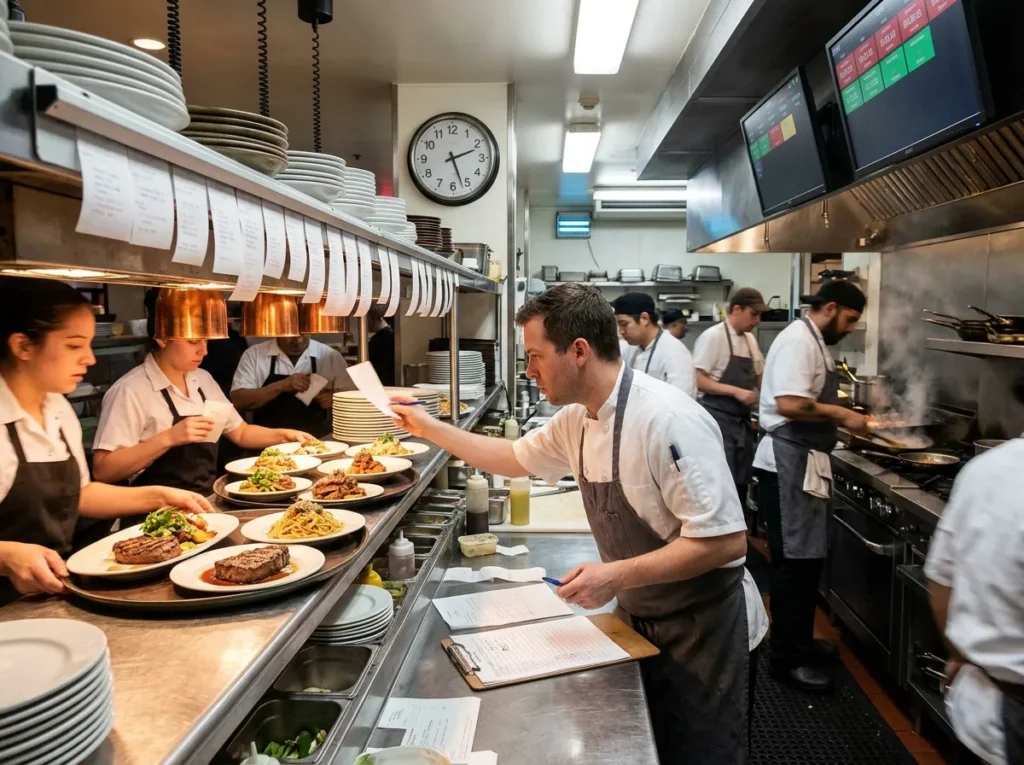
The biggest challenge with any large meal is ensuring that all components reach the table at the correct temperature. A simple way to manage this is to create a timeline that works backward from your desired serving hour. The roast, for instance, requires a significant resting period—often 20 to 30 minutes—before it is carved.
This is the perfect window to finish your gravy, roast your vegetables, and warm your dinner plates. Warming your plates in a low oven is a simple trick that keeps the food hot for much longer once it is served.
Do not be afraid to delegate tasks. If someone offers to bring a side dish or a bottle of wine, accept the help. Managing a traditional Christmas dinner menu is a big task, and having a few helping hands allows you to enjoy the process rather than feeling overwhelmed.
Keep your workspace organized and clean as you go; a cluttered kitchen often leads to mistakes. By focusing on one task at a time and keeping your timeline in view, you can execute a professional-level meal that honors the spirit of the holiday season.
Frequently Asked Questions
What is the best way to keep a roast warm while the sides finish cooking?
The most effective way is to tent the meat loosely with aluminum foil and place it in a warm—not hot—spot, such as the top of the stove or a turned-off oven. Resting the meat is essential for moisture retention, so don’t worry about it cooling down too quickly; it will stay warm for at least 30 minutes if covered properly.
Can I prepare the potatoes in advance?
You can parboil your potatoes the day before and store them in the refrigerator, but for the best results, they should be roasted fresh on the day of the meal. If you must pre-prep, ensure they are completely dry before putting them in the fridge, as excess moisture will prevent them from becoming crispy.
What are the essential herbs for a classic Christmas roast?
Rosemary, thyme, and sage are the standard trio for holiday roasting. They provide a woodsy, aromatic profile that pairs perfectly with beef, pork, or poultry. Fresh herbs are always superior to dried versions, as they release more essential oils when exposed to the heat of the oven.
How do I avoid lumpy gravy?
To ensure a smooth texture, whisk your flour or cornstarch into a small amount of cold liquid to create a smooth slurry before adding it to the hot pan drippings. If you do end up with lumps, simply pass the finished gravy through a fine-mesh sieve or a quick pulse in a blender to restore a silky consistency.
Final Thoughts on Holiday Cooking
Preparing traditional Christmas dinner menu recipes is a rewarding way to bring family and friends together around a table filled with love and effort. By focusing on quality ingredients, mastering the timing of your roast, and paying attention to the small details in your sides and sauces, you can create a meal that will be remembered for years. Remember that the goal is not perfection, but rather the creation of a warm, inviting space for those you care about.
Take your time, enjoy the process of cooking, and allow yourself the grace to experiment with flavors that your family enjoys most. Whether you stick to the classics or add your own modern twist, the effort you put into these traditional Christmas dinner menu recipes will surely make your holiday season shine.